
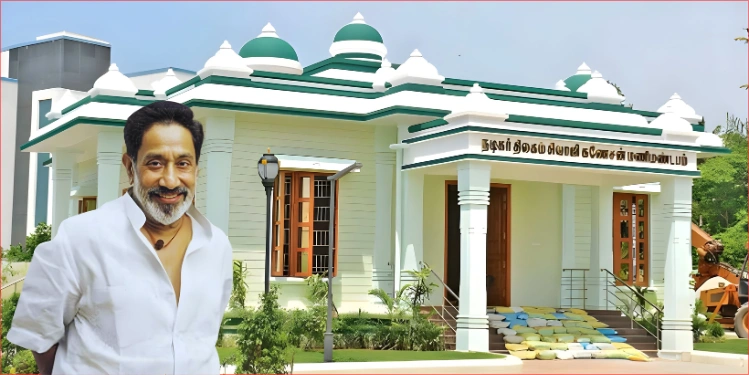
Sivaji Ganesan’s house, known as Annai Illam, stands as a monument to Tamil cinema’s golden era a sprawling bungalow in Chennai that witnessed six decades of film history, political drama, and family legacy before facing an uncertain future through legal battles and auction threats.
Quick Facts About Sivaji Ganesan’s Residence
| Detail | Information |
|---|---|
| Property Name | Annai Illam (Mother’s Home) |
| Owner Name | Villupuram Chinnaiahpillai Ganesan (Sivaji Ganesan) – Original Owner |
| Current Owners | Prabhu Ganesan & Ramkumar Ganesan (Legal Heirs) |
| Location | T. Nagar, Chennai, Tamil Nadu |
| Built Year | 1960s |
| Property Type | Independent Bungalow |
| Estimated Area | Approximately 1.5 acres = 65,340 square feet |
| Current Status | Family-owned, under legal disputes (as of 2025-2026) |
| Estimated Value | ₹100-150 crores (2026) |
| Notable Features | Classic colonial architecture, extensive gardens, trophy room |
Disclaimer
This article includes historical and cultural information about sivaji ganesan house based on publicly available sources, news reports until January 2026, and documented interviews. Ownership information, property values, and legal status are all subject to current court procedures and could change. This content should not be interpreted as financial or legal advice; it is merely intended for informational reasons. Readers interested in property matters should consult legal professionals and verify current status through formal means.
Where Dreams Were Built: The Story Behind Annai Illam
When Sivaji Ganesan purchased the land in T. Nagar during the 1960s, Chennai looked nothing like today’s concrete jungle. T. Nagar was an upscale neighborhood where film stars and industrialists built their dream homes, and Sivaji fresh off blockbuster successes like Veerapandiya Kattabomman and Karnan wanted something that reflected his stature.
The sivaji ganesan house wasn’t just another celebrity mansion. He named it “Annai Illam” as a tribute to his mother, whose blessings he credited for his meteoric rise from a theater artist to India’s most celebrated actor. The name itself tells you everything about the man family came first, always.
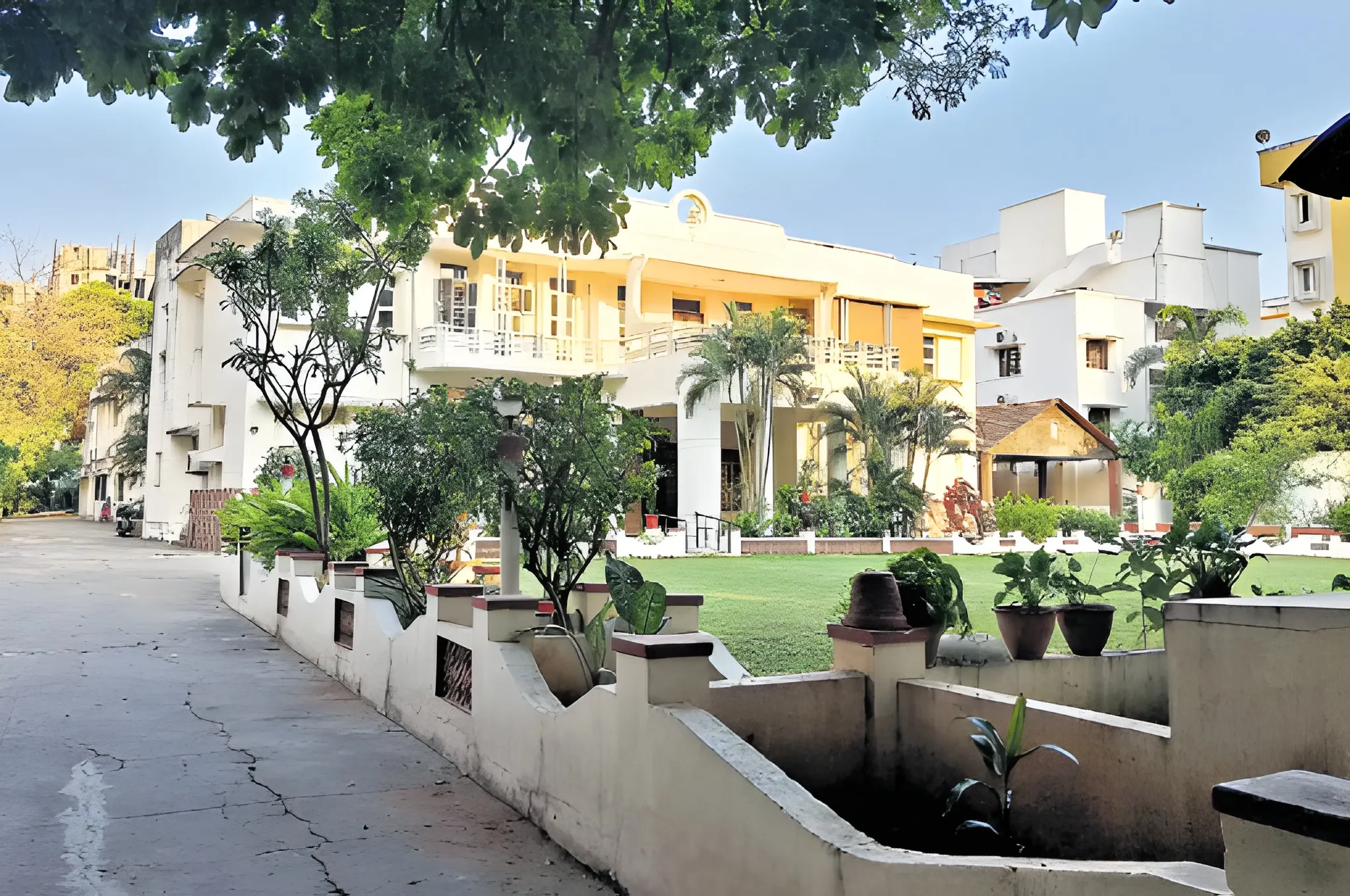
With its high ceilings, expansive verandas, big windows for cross-ventilation, and expansive lawns, the building was greatly influenced by colonial British bungalows, which were popular during Madra’s administration. Annai Illam possessed personality, in contrast to the glass and steel of contemporary celebrity residences. Thick walls kept the Chennai heat at away, and the covered courtyards created private locations where the family might escape public observation.

What Made This House Special: Inside Annai Illam
Walking through the sivaji ganesan house inside felt like stepping into a living museum. Friends and journalists who visited often described the experience as overwhelming not because of excessive luxury, but because every corner told a story.
The Trophy Room: A Testament to Excellence
Sivaji’s trophy room was the most talked-about area. Imagine a whole hall devoted to presenting diplomas from international film festivals, Filmfare trophies, National Film Awards, and worldwide honours. The Chevalier award from France (the first Indian actor to get it) held pride of place. Just reading the plaques and learning the backstories of each award would take hours for visitors.
The Library: Where Scripts Came Alive
Sivaji kept a magnificent personal library. Tamil literature, Shakespeare translations, political biographies, and bound plays packed floor-to-ceiling bookcases. He would frequently spend his mornings here, either reading poems aloud or getting ready for roles a habit he carried over from his theatre days.
Living Spaces That Breathed Cinema
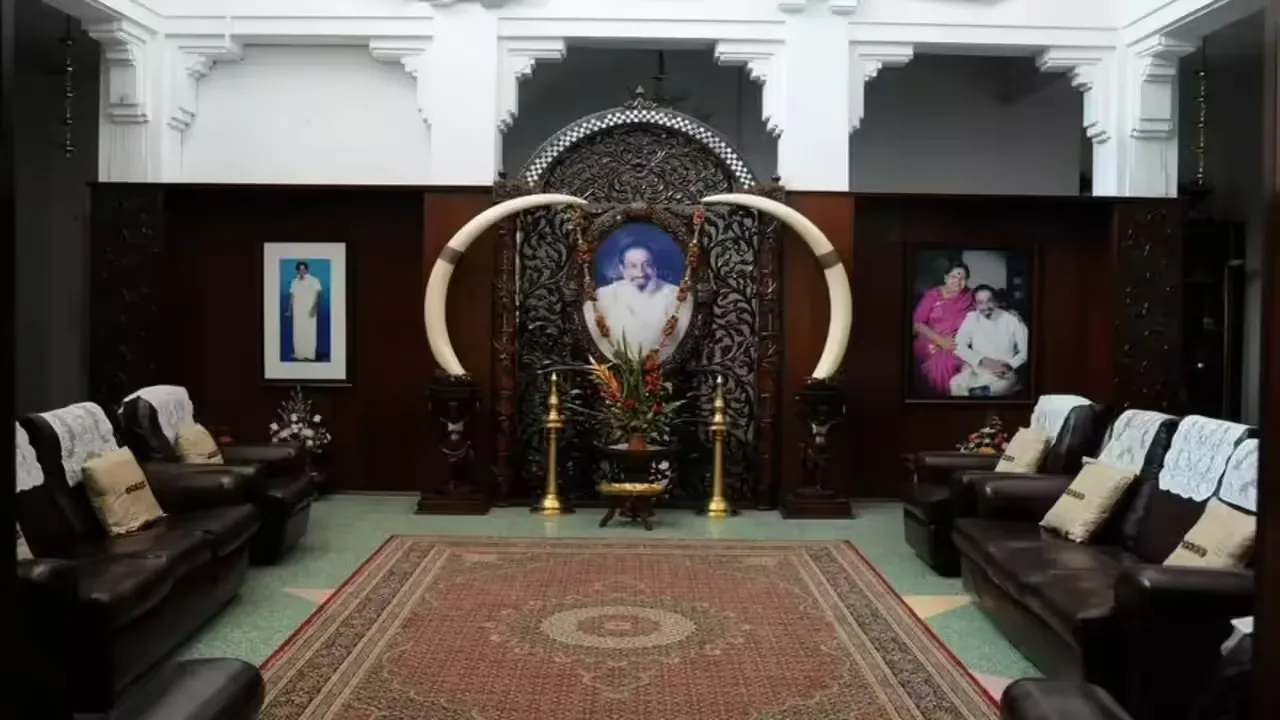
The living room doubled as an informal meeting space for directors, producers, and fellow actors. MGR, Gemini Ganesan, Kamal Haasan, Rajinikanth they all sat in those same sofas, discussing cinema over filter coffee. The walls displayed portraits of Sivaji in his iconic roles: Karnan, Veerapandiya Kattabomman, Thiruvilaiyadal’s Shiva, and Mudhalvar’s fiery politician.
The dining area could seat twenty people comfortably. Family dinners were elaborate affairs, especially during festivals, when the entire Ganesan clan gathered. Pongal celebrations at Annai Illam became legendary the entire neighborhood could smell the sakkarai pongal cooking in massive vessels.
The Location That Defined Prestige: T. Nagar in the 1960s-2000s
Understanding the sivaji ganesan house location requires context. T. Nagar (Thyagaraya Nagar) wasn’t always the shopping hub it became. When Sivaji built Annai Illam, it represented Chennai’s most desirable residential zone quiet, tree-lined streets with independent houses, far from the crowded neighborhoods of old Madras.
The property provided privacy and accessibility because it was situated on one of T. Nagar’s bigger lanes. It was close enough to film studios in Kodambakkam and Vadapalani for reasonable commutes, yet remote enough to protect family privacy. Neighbours included other film personalities, businesspeople, and prominent bureaucrats.
T. Nagar underwent a significant transformation by the 1990s. Land values surged, traffic increased, and commercial buildings proliferated. The tranquil residential atmosphere lost, replaced with shopping complexes and jewellery stores. However, Annai Illam remained unaltered, a verdant island among a sea of trade.
This place turned both a boon and a bane. The property received unwelcome attention from creditors and legal issues, but its value also skyrocketed (recent estimates say it may fetch ₹100-150 crores or more).

The Dark Clouds: Legal Battles and Auction Threats
Here’s where the story turns painful. The sivaji ganesan house auction became headline news multiple times between 2010-2025, revealing the financial troubles that plagued the family after Sivaji’s death in 2001.
What Went Wrong?
In his later years, Sivaji Ganesan experienced severe financial hardship. Failed film productions, political campaign spending, and trust in improper business contacts depleted resources. After his death, debts surfaced banks, private lenders, and production houses filed claims.
The most well-known instance concerned Indian Overseas Bank, which sought to recoup allegedly more than ₹20 crores by auctioning off Annai Illam. This wasn’t a simple debt it encompassed guarantees Sivaji had made for film productions that fizzled, loans taken against property, and compounded interest over decades.
Family’s Fight to Save the Legacy
Sivaji’s children actors Prabhu and Ramkumar, and their family members fought multiple legal battles to prevent the auction. They argued that the sivaji ganesan house wasn’t just property but a cultural landmark deserving protection, similar to how Raj Kapoor’s RK Studios or MGR’s home held historical significance.
The sivaji ganesan house news cycle between 2015-2025 followed a predictable pattern: auction announcement, family petition, court stay order, temporary relief, and then another creditor’s claim. Each cycle brought fresh media attention, celebrity appeals to the Tamil Nadu government, and public campaigns to save Annai Illam.
As of January 2026, the property remains with the family, though under complicated legal encumbrances. Recent reports suggest attempts to convert Annai Illam into a museum or cultural center a solution that preserves legacy while addressing financial obligations.
Why This House Matters Beyond Bricks and Mortar
The annai illam sivaji ganesan house represents something larger than real estate. It symbolizes the Tamil film industry’s evolution from theater roots to international recognition.
Cultural Significance
Sivaji’s acting style dramatic, theatrical, deeply emotional defined Tamil cinema for generations. That style was refined in Annai Illam’s rehearsal spaces, where he’d practice dialogues for hours, perfecting every gesture and inflection. Young actors like Kamal Haasan visited regularly, learning the craft from the master himself.
Architectural Heritage
Chennai is fast losing its architectural heritage to housing buildings and malls. Modern buildings cannot match the 1960s construction quality of bungalows like Annai Illam, which feature thick walls, natural cooling, and roomy layouts. Preservationists contend that such homes deserve protection under heritage rules, akin to structures in heritage zones.
Personal Connection for Fans
For millions who grew up watching Sivaji Ganesan films, Annai Illam isn’t just a house it’s where their hero lived. Fans would gather outside during his birthday, festivals, and after major film releases. That personal connection explains the public outcry whenever auction news surfaces.
What the Future Holds: Museum, Sale, or Family Home?

Museum Conversion
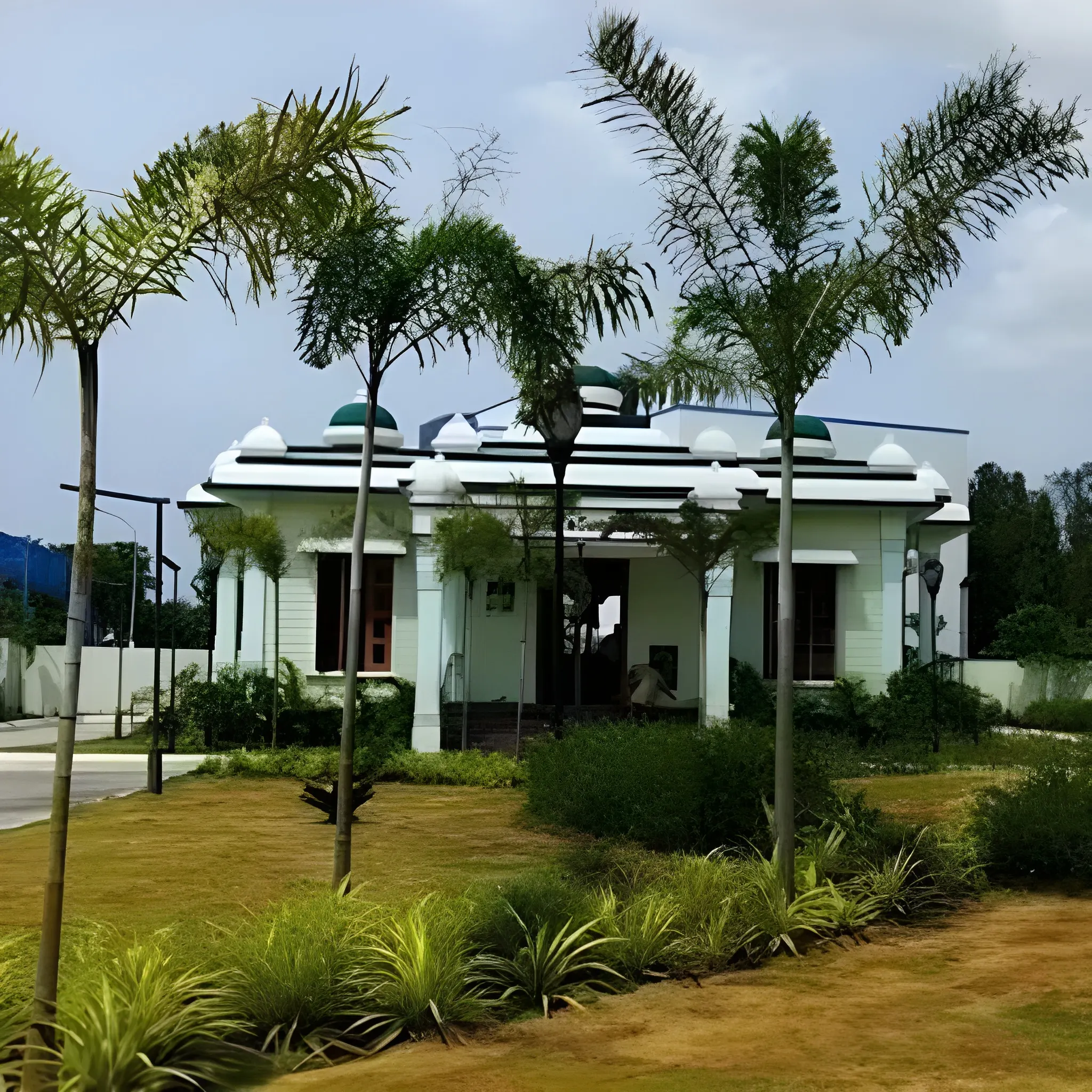
The strongest plan involves transforming Annai Illam into a museum dedicated to Tamil movie history, with Sivaji’s life and career as the centrepiece. This approach worked for Satyajit Ray’s home in Kolkata and could attract film fans, students, and tourists. The Tamil Nadu government showed interest but funding and operational management remain unsolved.
Private Sale
Real estate developers have offered astronomical sums for the property, given T. Nagar’s commercial value. However, such a sale would mean demolition unacceptable to fans and film industry veterans who’ve campaigned to preserve the house intact.
Family Retention
The Ganesan family likes preserving Annai Illam as their residence, with limited public access during special events. This entails settling debts through alternative means selling other assets, fundraising, or government action.
A new development in January 2026 points to a hybrid strategy: the family keeps ownership, but a trust oversees the property as a semi-public cultural venue, with maintenance money coming from guided tours and film-related activities.
Lessons from Annai Illam’s Story
The saga of sivaji ganesan house offers uncomfortable lessons about fame, finance, and legacy:
Financial Management Matters: Even legendary success doesn’t guarantee financial security. Sivaji’s trust in the wrong people, expensive political ambitions, and failed business ventures created problems his family inherited.
Real Estate as Double-Edged Sword: Properties appreciate wonderfully until they become targets for creditors. Mixing personal residence with business assets creates vulnerabilities.
Cultural Preservation Needs Proactive Support: Waiting until crisis hits makes preservation harder. Tamil Nadu could establish a film heritage fund before landmarks face auction threats.
Family Dynamics Under Pressure: Public legal battles strain relationships. The Ganesan family’s private struggles played out in newspapers, adding emotional pain to financial stress.
Read Also: Rishabh Pant’s House
How Fans Can Support the Legacy
If you want to help preserve sivaji ganesan house and similar cultural landmarks:
- Petition the Tamil Nadu government to designate Annai Illam as a protected heritage structure
- Support crowdfunding initiatives if the family launches public fundraising for debt settlement
- Visit and promote if it becomes a museum sustained public interest ensures financial viability
- Document and share stories about Sivaji’s impact on Tamil cinema, keeping his legacy alive digitally
Conclusion:
The sivaji ganesan house stands at the intersection of art, architecture, and cultural memory. Annai Illam isn’t merely where a great actor lived it’s where Tamil cinema history was written, where a theater artist’s son proved that talent and dedication could conquer any barrier, where family values coexisted with stardom.
The stories Annai Illam carries will outlive any structure, whether it is converted into a museum, stays a family home, or faces an uncertain future. The real legacy of Sivaji Ganesan is preserved in his movies, the performers he influenced, and the millions of people who continue to recite his lines. Even though the house is just made of brick and mortar, it is incredibly lovely and has a rich history.
Annai Illam’s destiny will be decided in the upcoming years. One hopes wisdom wins, and this relic receives the protection it deserves, allowing future generations to walk the same hallways where one of cinema’s greatest minds once lived and dreamed.
Frequently Asked Questions
1. Can the public visit Sivaji Ganesan’s house?
No, sivaji ganesan house is currently a private family residence with no public access. The conversion of the museum is being discussed for upcoming visits.
2. What is the current market value of Annai Illam?
The sivaji ganesan house location in T. Nagar makes it worth approximately ₹100-150 crores based on 2026 real estate rates.
3. Why did the house face auction threats multiple times?
The sivaji ganesan house auction threats came from unpaid debts exceeding ₹20 crores from failed film productions and personal loan guarantees.
4. Who currently owns Annai Illam?
Sivaji Ganesan’s children Prabhu and Ramkumar own the property, though it has legal liens from creditors.
5. Are there any distinctive architectural features worth noting?
High ceilings, strong walls, a trophy room, a private library, and large gardens are all elements of the 1960s colonial architecture found inside the Sivaji Ganesan mansion.
6. Has any film been shot at Annai Illam?
Limited documentary filming only. The annai illam sivaji ganesan house remains mostly private, with infrequent media access for commemorative programmes.