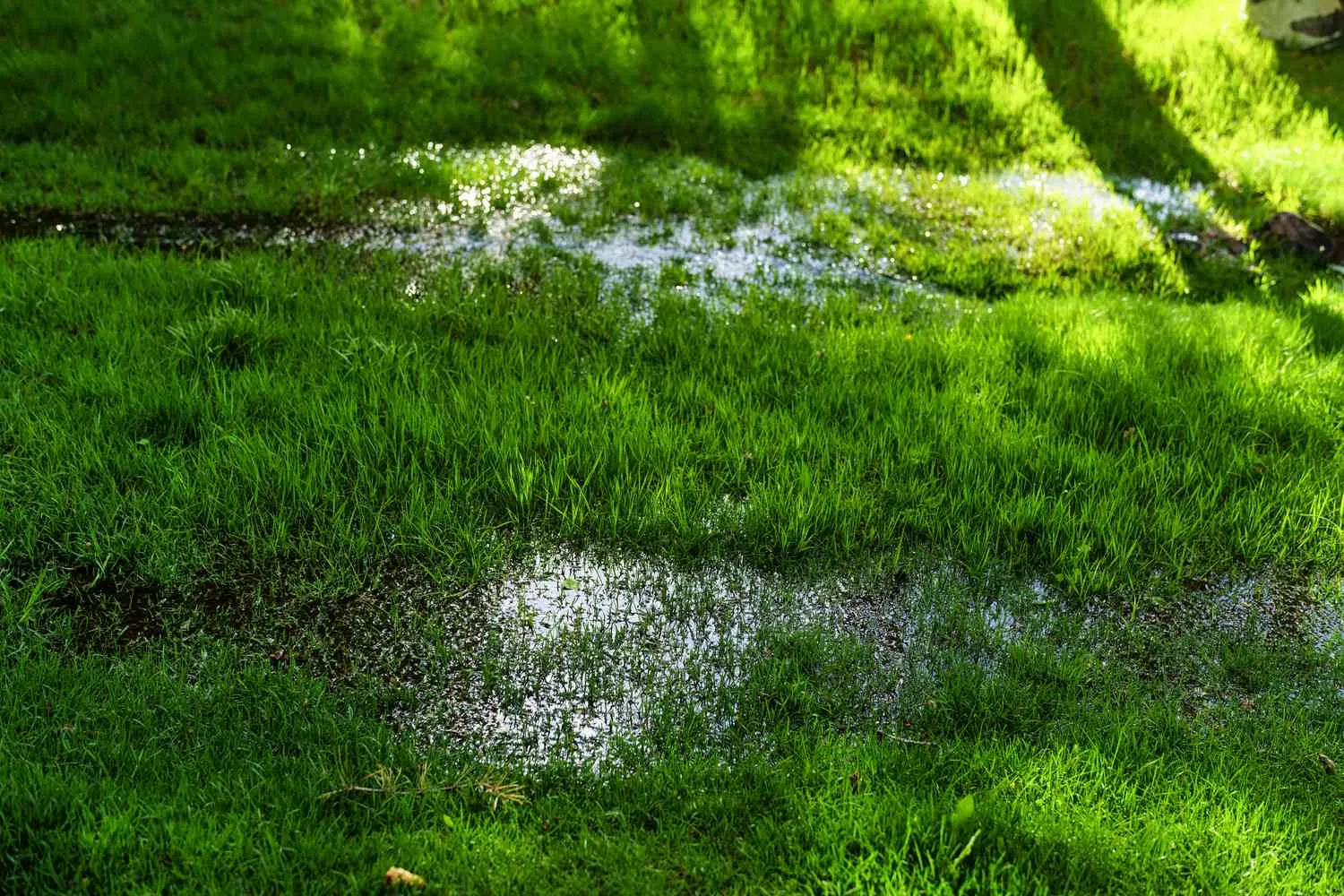
Standing water, muddy patches, and a foundation that never seems to dry out all share one root cause: water has nowhere sensible to go. Before ordering materials or renting equipment, take time to understand where it comes from and how it moves. Choosing the right landscape drainage solutions starts with observation, not guesswork. Careful diagnosis saves money and effort. This article shows how to read your yard like a detective so that you can match the fix to the actual problem.
Watch the Yard During a Storm
The best diagnostic tool is a rainy afternoon. Step outside with a notepad and watch where water runs, collects, and lingers. Note which direction it flows from roofs, driveways, and neighboring properties. Look at downspout outlets, which often dump gallons next to foundations. Take photos at different times so you can compare how long puddles last. These observations reveal patterns that a dry-day walkthrough never will, and they give any professional a clear starting point for a useful conversation.
Surface Water vs. Subsurface Water
Not all wet yards suffer the same problem. Surface water arrives from rain and runoff, flowing across the ground and pooling in low areas. Subsurface water rises from a high water table or seeps through heavy soil, leaving ground spongy even when it has not rained recently. Some yards face both. Surface issues often respond to regrading and swales, while subsurface problems may need buried pipes. Telling them apart prevents expensive mistakes, because the wrong solution simply moves the problem somewhere else.
Surface Fixes: Swales and Regrading
Swales are shallow, grass-lined channels that guide water gently across a yard toward a safe outlet. They look like natural dips, blend into the landscape, and slow flow so soil is not washed away. Regrading can redirect runoff away from structures by adding a subtle slope. Both options work best when planned around the whole property rather than a single wet spot. Start by deciding where the water should end up, then shape the land to carry it there.
Buried Solutions: French Drains and Catch Basins
When surface shaping is not enough, buried systems take over. French drains use perforated pipe in a gravel-filled trench to collect and carry away groundwater. Catch basins gather runoff from low points and send it through solid pipe to a discharge location. Correct slope, filter fabric, and a proper outlet make all the difference. Poorly designed systems clog or simply fail. Plan the route carefully, avoid utilities, and ensure water exits somewhere safe, not onto a neighbor’s lawn or against your own foundation.
Planting That Works With Water
Plants can be part of the solution. Searching for landscaping near me often leads to designs that blend practical water management with beauty. Deep-rooted native grasses and perennials soak up moisture and stabilize soil, while rain gardens turn low spots into attractive features. Choose species suited to wet feet in problem zones and drought-tolerant ones on higher ground. Mulch helps hold soil in place. When planting and drainage are designed together, the yard looks intentional, drinks efficiently, and needs less maintenance.
Gutters, Downspouts, and Hardscapes
Often the biggest water source is the roof. Clean gutters and extended downspouts move rainwater well beyond the foundation, while buried extensions carry it to a safe release point. Patios and walkways can help or hurt, depending on their slope. Hard surfaces should pitch away from walls, not toward them. Check that paving joints do not funnel water into basements. Many persistent damp spots vanish once roof runoff and paved surfaces are handled properly, which makes this a smart, inexpensive place to begin.
Maintenance and Seasonal Checks
Drainage is not a set-and-forget feature. Leaves, silt, and roots gradually clog inlets and pipes, so inspect them each spring and fall. Flush lines when needed, clear grates, and watch for erosion or new soggy areas. Test the system with a hose and confirm that water exits freely. Catching small blockages early prevents flooding during heavy storms. Keep a simple log of repairs and inspections, because a short record helps you spot recurring trouble and makes professional visits more efficient.
Conclusion
A dry, usable yard begins with understanding how water behaves on your land. Observe storms, identify whether the issue lies on the surface or below it, and choose fixes that fit the diagnosis. Combine shaping, piping, planting, and roof management when needed, then maintain everything seasonally. For a team that can evaluate your property and design a lasting plan, visit russolandscapes.com and describe your trouble spots. Patience during diagnosis pays off. Solve the cause, and the soggy symptoms tend to disappear for good.