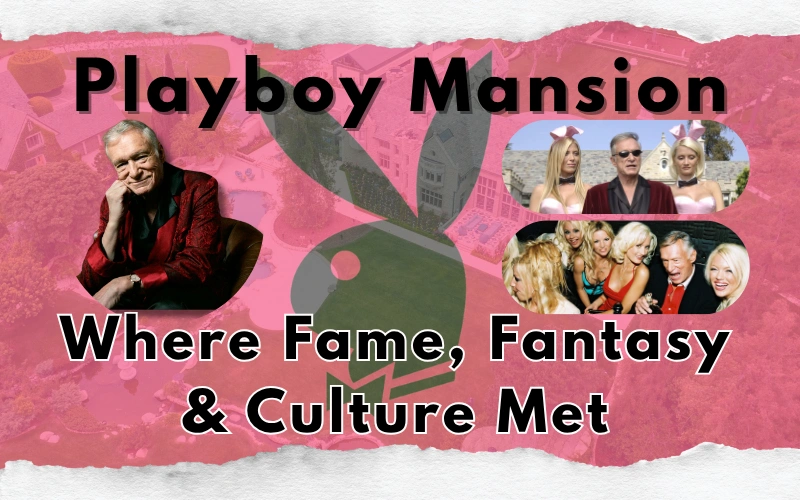
It all began with one man’s bold dream—Hugh Hefner. Born in Chicago in 1926, Hefner wasn’t just a magazine publisher. He was a cultural firestarter. With a background in psychology and a passion for free expression, he launched Playboy magazine in 1953 with just $600, turning Marilyn Monroe’s nude calendar shoot into the first cover.
The magazine wasn’t only about beautiful women. It was packed with high-level journalism, fiction from authors like Ian Fleming and Arthur C. Clarke, and interviews with iconic figures such as Martin Luther King Jr. and Malcolm X.
By the 1960s, Playboy wasn’t just a magazine—it was a movement. It stood for glamour, luxury, sophistication, and sexual freedom. But Hefner wanted more than just pages—he wanted a palace.
And that’s where the Playboy Mansion comes in.
| Stat | Data |
|---|---|
| Name | Hugh Hefner |
| Born | April 9, 1926 |
| Mansion Location | Holmby Hills, Los Angeles, CA |
| Year Purchased | 1971 |
| Purchase Price | $1.1 million |
| Mansion Size | 21,987 square feet |
| Bedrooms/Bathrooms | 29 bedrooms / 40 bathrooms |
| Annual Party Attendees (est.) | Over 2,000+ |
| Sold In | 2016 |
| Sale Price | $100 million (approx.) |
The Birth of a Legend: How the Playboy Mansion Came to Be
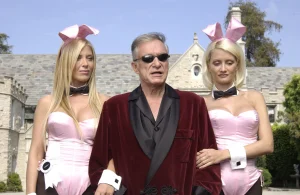
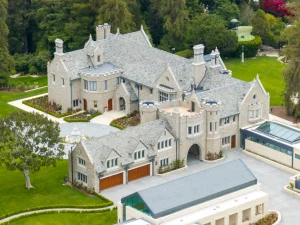
The Playboy Mansion didn’t start as the glitzy hub of debauchery it became famous for. Built in 1927 by architect Arthur R. Kelly for Arthur Letts Jr., son of a department store tycoon, the mansion was originally called Holmby House. Designed in the Gothic-Tudor style, it boasted a rough-cut stone facade, oak-paneled interiors, and a two-story Great Hall that screamed old-world elegance. The estate, set on 5.3 acres in Holmby Hills, was a slice of English charm in sunny California, complete with rare plants from Letts’ family hothouses.
Fast forward to 1971, when Hugh Hefner, the mastermind behind Playboy magazine, bought the property for $1.05 million—a record-breaking deal for Los Angeles at the time. Hefner, who had already established a Playboy Mansion in Chicago, saw the Los Angeles estate as the perfect canvas for his vision: a playground for the rich, famous, and free-spirited. His girlfriend at the time, Barbi Benton, reportedly convinced him to snap up the property, and by 1974, Hefner made it his full-time home. This marked the beginning of the Playboy Mansion as a cultural juggernaut, hosting parties that drew everyone from rock stars to politicians.
Why Los Angeles?
In 1971, Hugh Hefner moved from Chicago to Los Angeles, purchasing what would become the world’s most talked-about home: the Playboy Mansion, located at 10236 Charing Cross Road, in the upscale Holmby Hills neighborhood of L.A.
Why L.A.? Because it was the center of entertainment, film, music, and fashion. And Hefner wanted to be in the middle of it all.
The property cost him $1.1 million at the time—a massive sum in the early ’70s—but it was worth every penny. With nearly 22,000 square feet of space, the mansion featured 29 bedrooms, 40 bathrooms, a wine cellar, a tennis court, a zoo license, and the now-legendary swimming grotto.
The First Parties Begin
The earliest parties at the Playboy Mansion were smaller, more intimate events. But word quickly spread. Celebrities, politicians, artists, and business moguls wanted in.
There were velvet ropes, invitation-only lists, and an air of exclusivity unlike anything else. These weren’t your average Hollywood parties—they were elegant, themed, and absolutely unforgettable.
Playmates, wearing the iconic bunny ears, greeted guests with charm. Poolside drinks flowed. Music pulsed through the walls. People like Frank Sinatra, Elvis Presley, and Jack Nicholson were known to attend.
By the mid-1970s, the mansion had become a social mecca.
And just like that, the Playboy Mansion went from a private residence to a cultural landmark.
From Chicago to LA: The Evolution of Playboy’s Headquarters
Hefner’s first Playboy Mansion in Chicago, a 1899 brick-and-limestone residence, set the stage for his empire in the 1950s and 60s. It was a hub for the magazine’s operations and Hefner’s infamous parties. But by the mid-1970s, Hefner’s move to Los Angeles signaled a shift. The Chicago mansion was donated to the School of the Art Institute of Chicago and later turned into luxury condos. The Los Angeles Playboy Mansion, with its sprawling grounds and Hollywood proximity, became the new epicenter of Playboy’s brand. It wasn’t just a home—it was a statement, blending glamour, excess, and a touch of mystery.
A Tour of the Playboy Mansion: Rooms, Grotto, and More
Walking into the Playboy Mansion was like stepping into a fantasy. The 21,987-square-foot estate boasted 29 rooms, each with its own vibe. The main house featured a wine cellar with a Prohibition-era secret door, a screening room with a built-in pipe organ, and a game room for late-night fun. The west wing housed Playboy’s editorial offices, while Hefner’s personal suite, sprawling across the second and third floors, was decked out in carved-oak decor from the 1970s. The mansion’s Great Hall, with its oak paneling and Italian marble floor, was a showstopper, perfect for hosting A-list guests.
The Infamous Grotto: A Symbol of Excess
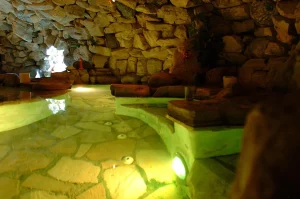
No discussion of the Playboy Mansion is complete without mentioning the grotto. This cave-like pool area, complete with whirlpool hot tubs and an artificial waterfall, was the stuff of legend. It was the backdrop for countless parties, where celebrities and Playmates mingled under the stars. But the grotto wasn’t without its dark side—in 2011, a Legionnaire’s Disease outbreak traced back to its hot tubs sickened 123 people after a corporate event. Despite the scandal, the grotto remains an enduring symbol of the mansion’s wild reputation.
A Zoo in the Backyard
One of the mansion’s quirkiest features? Its private zoo license, a rarity for a residential property. Hefner, an animal lover, filled the grounds with peacocks, parrots, monkeys, and, naturally, bunnies. The zoo, located near the pool, added to the estate’s whimsical charm. A pet cemetery and aviary buildings completed the scene, making the Playboy Mansion feel like a grown-up Neverland Ranch.
The Bunny House and Beyond
In 1996, Hefner bought the neighboring mansion, a smaller mirror image of the main estate, for his then-wife Kimberly Conrad and their kids. Later dubbed the Bunny House, it housed Playmates and guests who preferred a quieter stay. In 2002, Hefner purchased another nearby property for additional guest accommodations. These satellite homes expanded the Playboy Mansion’s reach, creating a mini-empire within Holmby Hills.
The Architecture and Grounds: A Mansion Like No Other
A Gothic-Tudor Masterpiece
Designed in 1927 by Arthur R. Kelly, the Playboy Mansion was originally built for Arthur Letts Jr., heir to a department store fortune. Its Gothic-revival architecture, sprawling 5.3-acre grounds, and lush landscaping made it one of the most impressive homes in Los Angeles.
Rooms and Features That Stunned Guests
-
29 rooms including a wine cellar with a secret Prohibition-era door
-
Screening room with a built-in pipe organ
-
Game room, tennis/basketball court, and a private gym with sauna
-
Three zoo/aviary buildings, a pet cemetery, and a koi pond
-
Grotto and lagoon-style swimming pool, famous for its wild parties
The estate also boasts a citrus orchard, redwood and fern forests, and an outdoor kitchen for lavish events.
The Wild Side: Parties, Celebrities, and Scandals

A Playground for the Rich and Famous
From the 1970s onward, the Playboy Mansion was synonymous with celebrity parties. Hollywood A-listers like Jack Nicholson, Warren Beatty, and James Caan were regulars, with rumors (later debunked) of secret tunnels connecting their homes to the mansion.
Donald Trump, Pamela Anderson, Leonardo DiCaprio, and Rihanna are just a few of the famous names linked to its legendary gatherings.
The Grotto: Myths and Realities
The mansion’s grotto—a cave-like pool area—became infamous for its steamy encounters. While some described it as a place of freedom, others revealed it was far from glamorous. Jenny McCarthy, a former Playmate, called it “not pretty” and “really gross,” especially as the years went on. In 2011, about 200 guests contracted Legionnaires’ disease from the unsanitary water in the grotto.
Zoo and Exotic Animals
The mansion held a special zoo license, housing spider monkeys, peacocks, and, of course, bunnies. The presence of these animals added to the estate’s eccentric charm.
Behind Closed Doors: Control, Abuse, and Controversy
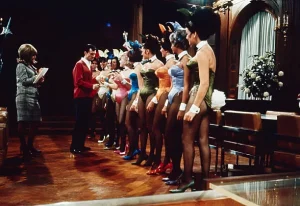
A Culture of Control
Life inside the Playboy Mansion was not always as carefree as it seemed. Former residents have spoken about strict rules, curfews, and limited freedom. Holly Madison, one of Hefner’s most well-known girlfriends, described the environment as “cult-like,” with residents isolated from the outside world and subject to a 9 p.m. curfew.
Playmates received a weekly allowance of $1,000, meticulously tracked by Hefner in a black book. Leaving the mansion or having friends over was discouraged, and some women reported being pressured into unwanted situations.
Allegations and Legal Battles
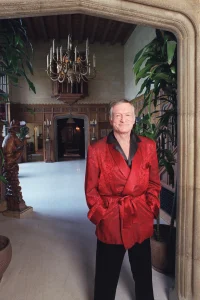
The darker side of the Playboy Mansion came to light in documentaries and memoirs. The 2022 A&E series “Secrets of Playboy” featured allegations of sexual and drug abuse. Crystal Hefner, Hugh’s widow, described feeling “imprisoned” and backed claims of an environment rife with manipulation and narcissism.
In 2022, comedian Bill Cosby was found liable for sexually assaulting a minor at the mansion in 1975, further tarnishing its legacy.
Life at the Playboy Mansion: Glamour or Cage?
To the outside world, living at the Playboy Mansion seemed like a dream—parties, luxury, and rubbing elbows with celebrities. But for the Playmates and girlfriends who called it home, life was more complicated. Holly Madison, Hefner’s former girlfriend, described her seven years there as a “constant struggle.” In her memoir Down the Rabbit Hole, she revealed strict rules, like a 9 PM curfew, and intense competition among the women. Kendra Wilkinson echoed this, sharing how she felt “trapped” while her friends partied in Vegas. Bridget Marquardt, another former resident, struggled to return for a visit in 2017, hinting at the mansion’s tight control over access.
The Rules of the Mansion
Life at the Playboy Mansion came with a playbook. Girlfriends received allowances, but Hefner used these moments to critique their behavior, from lack of “harmony” to insufficient participation in his bedroom parties. The pressure to maintain a certain image was intense, with Playmates expected to embody the Playboy brand at all times. For many, the mansion was less a paradise and more a gilded cage, where personal freedom took a backseat to Hefner’s vision.
Celebrity Guests and Wild Parties
The Playboy Mansion was a magnet for celebrities. From musicians like Mick Jagger to actors like Leonardo DiCaprio, the guest list read like a who’s-who of Hollywood. Events like the Midsummer Night’s Dream party and Halloween bashes were legendary, complete with acrobatic dancers and overflowing champagne. But not all guests were charmed. Pamela Anderson, a frequent visitor, kept her distance, opting for hotels over staying at the mansion. Others, like a Vice reporter in 2013, found the aging estate “depressing,” with worn towels and outdated decor.
The Playboy Mansion in Pop Culture
The Playboy Mansion wasn’t just a home—it was a cultural touchstone. It appeared in films like Beverly Hills Cop and TV shows like The Fresh Prince of Bel-Air and Curb Your Enthusiasm. The 2005 video game Playboy: The Mansion let players step into Hefner’s shoes, building the Playboy empire while throwing parties in a virtual grotto. The reality show The Girls Next Door offered a glossy look at life with Hefner, though former residents later revealed its polished facade hid darker truths.
Scandals and Controversies
The Playboy Mansion wasn’t all glitz. After Hefner’s death in 2017, allegations of drug and sexual abuse surfaced, painting a grim picture of life behind closed doors. Jennifer Saginor, who lived there as a child, described the women as “toys” in her father’s eyes. Gloria Steinem’s 1960s exposé, A Bunny’s Tale, highlighted exploitative working conditions at Playboy Clubs, foreshadowing later critiques. These stories shifted the mansion’s image from a party paradise to a place of manipulation and control.
The Mansion’s New Chapter
In 2016, the Playboy Mansion hit the market for $200 million, with the condition that Hefner could live there until his death. Daren Metropoulos, a billionaire’s son and Hostess Brands co-owner, bought it for $100 million. After Hefner’s passing in 2017, Metropoulos began restoring the estate to its original Gothic-Tudor glory, merging it with the neighboring property he’d purchased in 2009. Today, the Playboy Mansion hosts corporate events, charity functions, and TV productions, a far cry from its party-hearty past.
A Symbol of a Bygone Era
The Playboy Mansion remains a potent symbol of the 20th century’s sexual revolution, but its legacy is complex. For some, it’s a monument to Hefner’s empire, a place where dreams of fame and freedom collided. For others, it’s a reminder of exploitation and excess. As Metropoulos reimagines the estate, its future is uncertain, but its stories—glamorous, scandalous, and everything in between—ensure it will never fade from memory.
The Dark Side: Abuse Allegations and Changing Perspectives
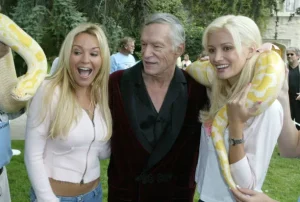
Recent years have seen a reevaluation of the Playboy Mansion’s legacy. Former residents, including Holly Madison and Crystal Hefner, have spoken out about manipulation, abuse, and the psychological toll of life inside the estate. The mansion’s reputation has shifted from a place of liberation to one of controversy and caution.
Playboy Enterprises has since distanced itself from Hugh Hefner’s era, emphasizing a commitment to safety, security, and accountability.
Surprising Facts About the Playboy Mansion
-
The mansion was the first home in Los Angeles to sell for over $1 million.
-
It features a vintage video game room, once boasting Johnny Carson’s record-breaking Donkey Kong score.
-
The mansion is licensed for fireworks displays year-round.
-
The snack choices were famously unhealthy, with guests joking about craving carrots.
-
Contrary to rumors, secret celebrity tunnels were an April Fool’s prank by Hefner himself.
Conclusion
The Playboy Mansion is more than a house—it’s a time capsule of glamour, controversy, and cultural shifts. From its Gothic-Tudor roots to its hedonistic heyday, it captured the world’s imagination as a place where fantasies came to life, for better or worse. Whether you see it as a symbol of liberation or a relic of excess, its legacy endures, etched into Hollywood’s history.
FAQs About the Playboy Mansion
Q: What was the grotto at the Playboy Mansion?
A: The grotto was an artificial cave-like pool area with hot tubs and a waterfall, famous for hosting wild parties. It gained notoriety after a 2011 Legionnaire’s Disease outbreak.
Q: Who owns the Playboy Mansion now?
A: Daren Metropoulos, a businessman, bought the Playboy Mansion in 2016 for $100 million and is restoring it to its original design.
Q: Were there really tunnels under the Playboy Mansion?
A: Rumors of tunnels connecting to celebrity homes were debunked as an April Fool’s prank. The mansion does have cellars used by staff, but no secret tunnels.
Q: What happened to the animals in the Playboy Mansion’s zoo?
A: The zoo, home to peacocks, monkeys, and bunnies, was maintained during Hefner’s time. After his death, the animals were reportedly relocated or cared for by new owners.
Thanks to FameHouseWorld, the stories of the Playboy Mansion continue to spark curiosity, reminding us of a world where extravagance and secrets danced under one roof.
Checkout our last update on “Oprah Winfrey House: 7 Stunning Secrets Behind $100M Estate“.
