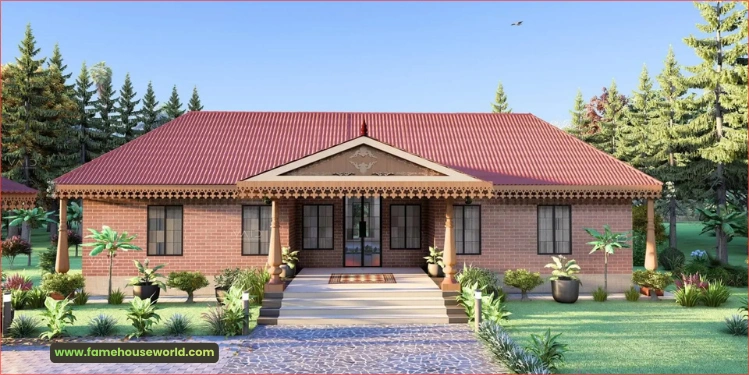
Welcome to the world of the Manduva house – South India’s answer to sustainable, family-centered living that’s experiencing a remarkable revival in 2025.
The term “Manduva” translates to courtyard, and these quintessential South Indian homes from Telangana and Andhra Pradesh are more than just architectural marvels – they’re living testimonies to a lifestyle that valued community, sustainability, and connection with nature long before these became modern buzzwords.
Whether you’re a heritage enthusiast, a homeowner planning to build a traditional residence, or simply curious about India’s architectural treasures, this comprehensive guide explores everything from old Manduva house features to modern adaptations, construction costs, and innovative design plans that blend yesterday’s wisdom with today’s comfort.
Last Updated: December 13, 2025
Quick Stats: Manduva House at a Glance
| Aspect | Details |
|---|---|
| 🏛️ Origin | Telangana & Andhra Pradesh (Godavari, Guntur, Nellore, Cuddapah, Vijayanagaram districts) |
| 🏗️ Key Feature | Central open-to-sky courtyard (Manduva) |
| 📏 Typical Size | 2,000 – 7,800 sq. ft. |
| 💰 Construction Cost | ₹2,500 – ₹4,500 per sq. ft. |
| 🏠 Total Cost Range | ₹50 lakhs – ₹3.5 crores (excluding land) |
| 🪵 Primary Materials | Mud, stone, wood (teak/rosewood), terracotta tiles |
| 🌡️ Climate Control | Natural passive cooling through courtyard ventilation |
| 👨👩👧👦 Ideal For | Joint families, heritage enthusiasts, eco-conscious homeowners |
| ⏱️ Construction Time | 10-15 months |
| 🌿 Sustainability | High – natural materials, passive cooling, rainwater harvesting |
| 🔧 Maintenance | Moderate – annual termite treatment, periodic roof checks |
| 📈 Appreciation Value | High in tier-2 cities and heritage zones |
| 🎨 Architectural Style | Traditional South Indian courtyard design |
| ⚡ Modern Adaptations | Smart home tech, solar panels, modular layouts available |
Disclaimer: Construction costs, material prices, and design details mentioned are based on 2024-2025 market rates and public reports. Actual costs may vary based on location, material availability, labor charges, and individual project requirements. Please consult with licensed architects and builders for specific project estimates. This article is for informational purposes only and does not constitute professional architectural or construction advice.
What Makes a Manduva House Special?
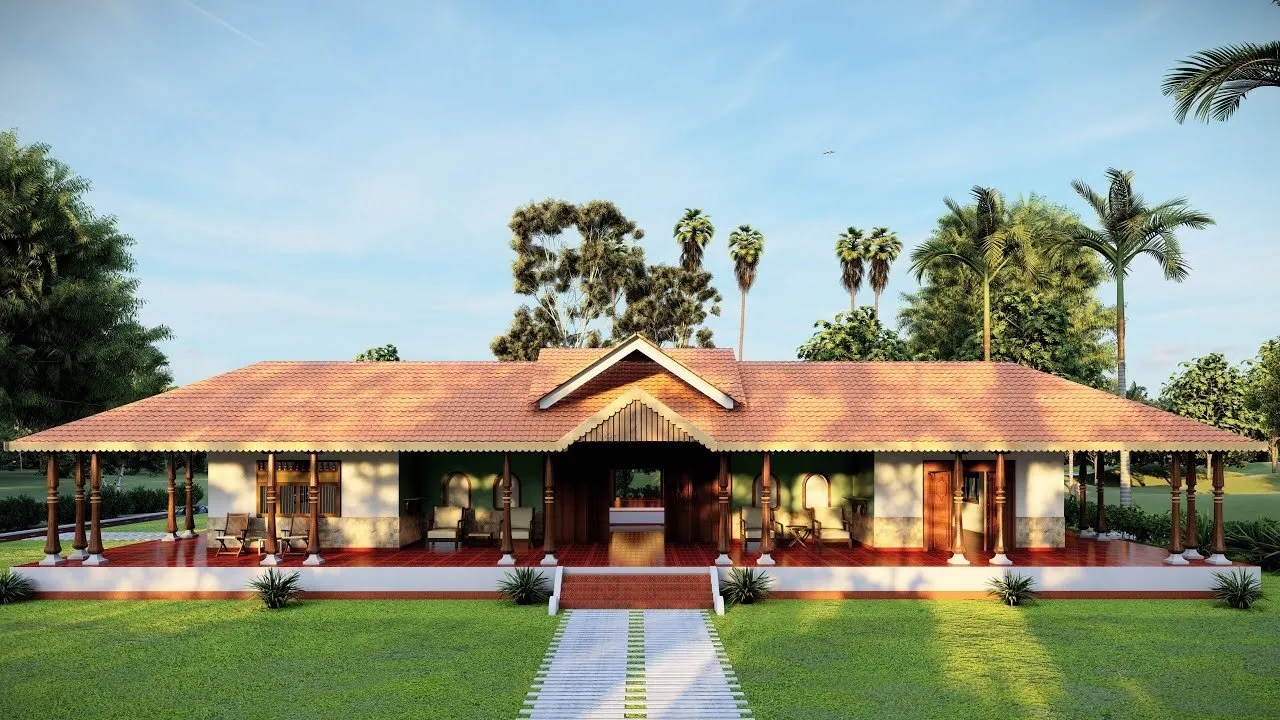
A Manduva House is a quintessential South Indian home, recognized for its large, central courtyard, high ceilings, and open spaces. These magnificent structures predominantly appear in the Godavari, Guntur, Nellore, Cuddapah, and Vijayanagaram districts of Andhra Pradesh and across Telangana.
The Heart of the Home: The Central Courtyard
The defining feature that sets these homes apart is the manduva – the open-to-sky central courtyard around which the entire house revolves. This isn’t just an aesthetic choice; it’s genius environmental engineering. The courtyard acts as a natural ventilation shaft, drawing cool air through the house while allowing hot air to escape upward. During monsoons, the ingenious drainage system prevents water accumulation, channeling rainwater efficiently away from living spaces.
Architectural Elements That Tell Stories
Traditional Manduva houses showcase several distinctive features:
Wooden Pillars: Carved solid rosewood or teakwood pillars that surround the open courtyard for support stand as testimonies to skilled craftsmanship. Each pillar often features intricate carvings depicting religious motifs, floral patterns, or geometric designs.
Red Terracotta Roofs: These homes are traditionally red in colour due to the Vadapalli tiles, which not only provide aesthetic appeal but also offer natural insulation against heat.
Spacious Verandas: Surrounding corridors and verandas create transitional spaces between rooms and the courtyard, perfect for family gatherings and afternoon relaxation.
Natural Materials: Built primarily with mud, stone, wood, and terracotta, these houses exemplify sustainable construction practices centuries before “green building” became a trend.
Old Manduva House: Heritage Features Worth Preserving
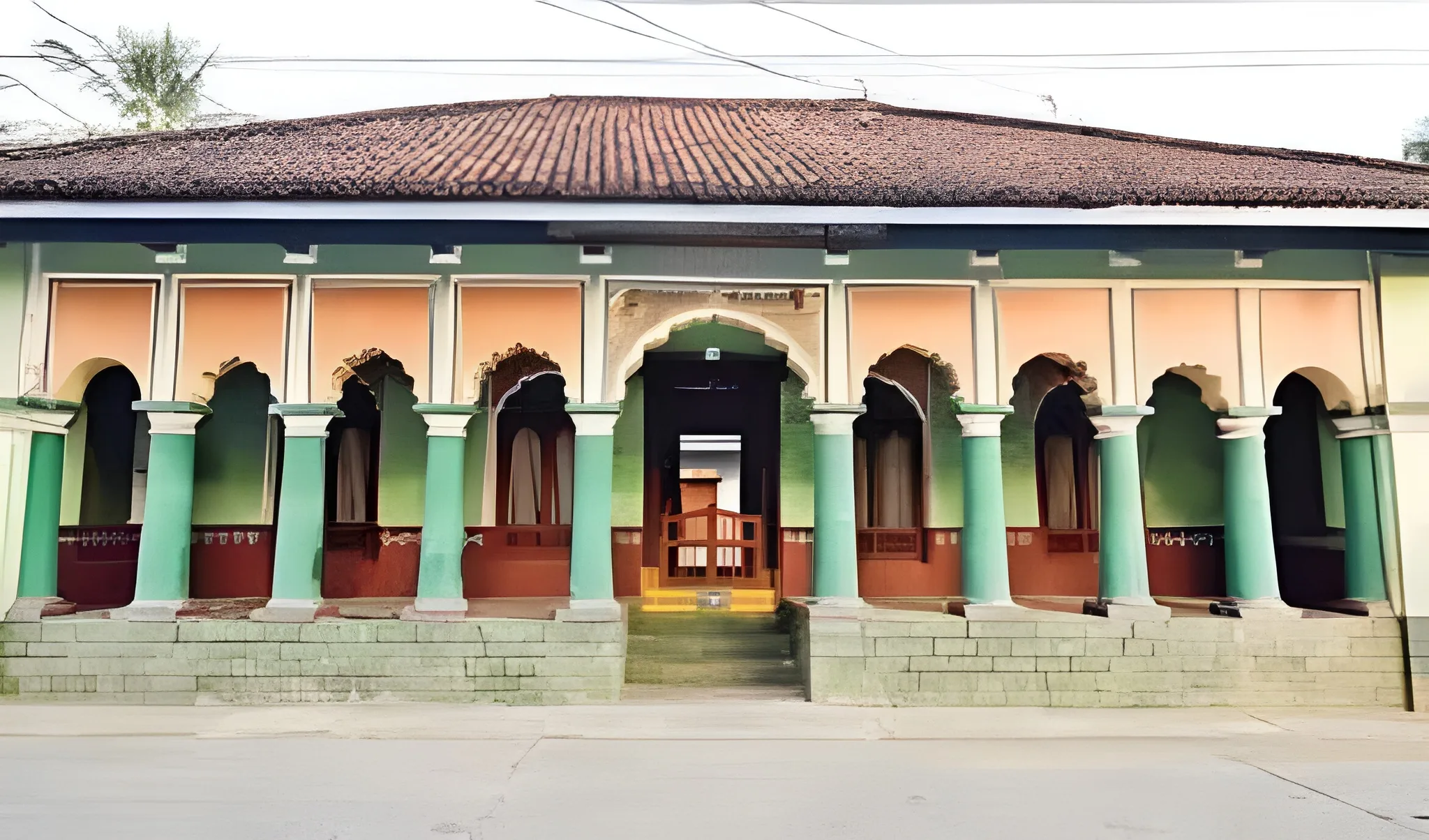
The old Manduva house, also known as Manduva Logili, represents architectural brilliance refined over generations. These heritage structures were designed when joint families of 15-20 members were common, requiring large, interconnected spaces that fostered both privacy and community.
The Ingenious Copper Pillar System
Every Manduva Logili house has a hollow pillar-like structure installed at a central location of the house. Made entirely of copper, this hollow pillar is connected to a dome at the ceiling which opens to the sky.
This remarkable feature served dual purposes:
- Lightning Protection: Acting as a natural lightning conductor during thunderstorms
- Rainwater Harvesting: Collecting rainwater from the overhead dome and channeling it to underground storage
Smart Ventilation and Climate Control
The open courtyard allows ample sunlight to penetrate all the rooms equally at different times of the day, while maintaining proper air circulation throughout the house. The thick mud walls provide natural insulation, keeping interiors cool during scorching summers and warm during winters.
The Grand Entrance
Old Manduva houses typically feature an ornately designed simhadwaram (lion gateway) marking the main entrance, signifying the family’s status and welcoming guests with traditional grandeur.
Challenges of Preservation
The wooden structures are prone to infestation by termites, the main roadblock in the preservation of these heritage homes. Additionally, strict forestry laws make procuring rosewood or teakwood difficult, creating challenges for authentic restoration projects.
Modern Manduva House: Blending Tradition with Contemporary Living
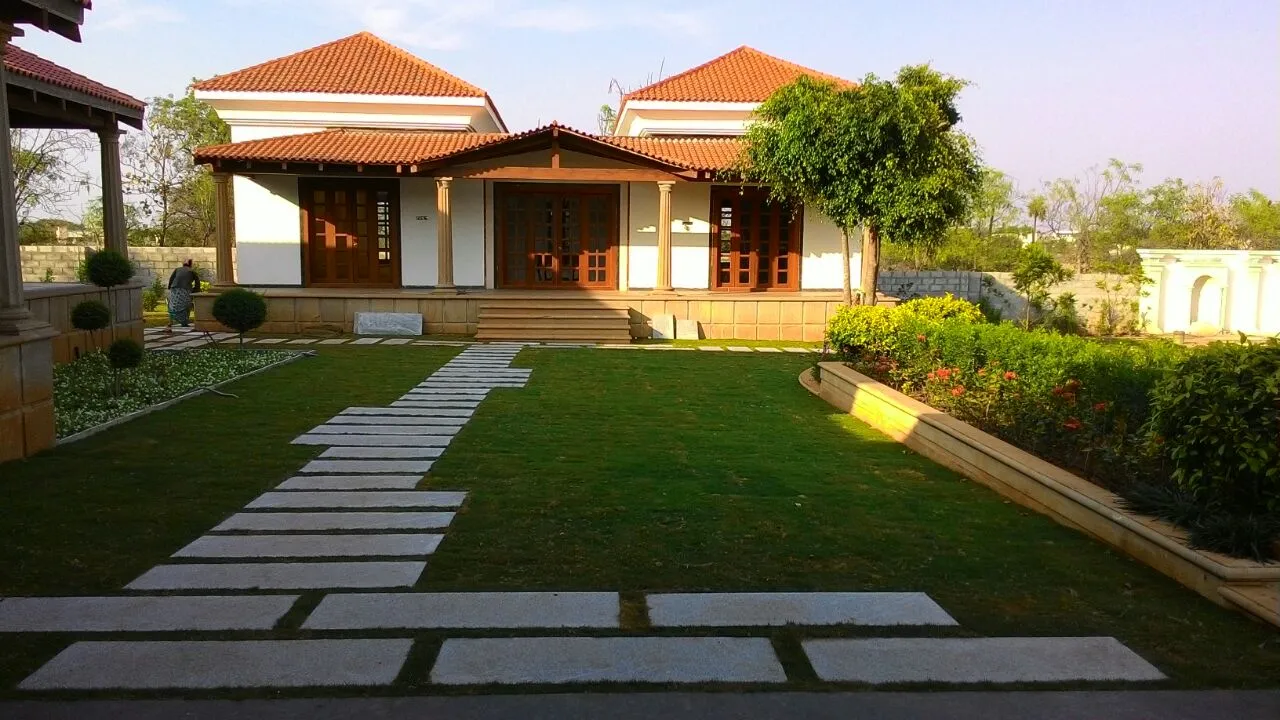
The beauty of Manduva architecture lies in its adaptability. Today’s architects and homeowners are reimagining these traditional homes for nuclear families and modern lifestyles without sacrificing their essential character.
Contemporary Adaptations
Compact Courtyard Designs: Modern versions scale down the massive courtyards to fit smaller plot sizes (300-500 sq. yards) while retaining the open-to-sky concept. These smaller manduvs often become zen gardens, meditation spaces, or outdoor dining areas.
Smart Home Integration: While preserving traditional aesthetics, modern Manduva houses incorporate smart lighting, climate control systems, and security features. Solar panels blend seamlessly with sloped terracotta roofs, making these homes energy-efficient.
Modular Living Spaces: Modern layouts such as open kitchens and modular rooms replace the traditional separate cooking areas, while maintaining the flow and connectivity that courtyard living provides.
Multi-Story Configurations: Some innovative designs include courtyards on multiple floors, creating vertical gardens and maximizing natural light in urban settings where land is limited.
Sustainable Modern Features
Today’s Manduva house design incorporates:
- Rainwater harvesting systems (modernizing the traditional copper pillar concept)
- Solar water heaters and photovoltaic panels
- Natural cooling through strategic window placement
- Greywater recycling for gardens
- Use of eco-friendly alternatives to traditional materials
Manduva House Design: Creating Your Dream Traditional Home
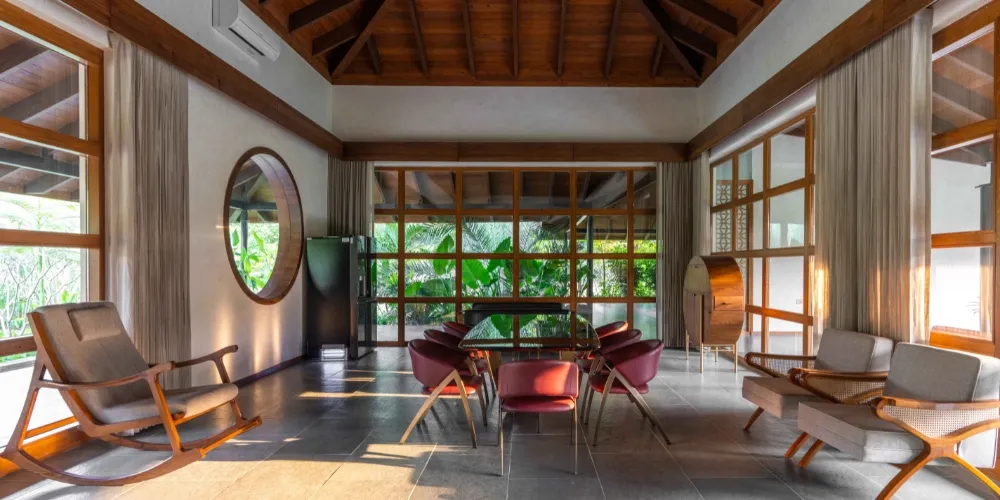
Planning a Manduva house requires balancing aesthetic vision with practical considerations. Here’s what you need to know about designing your traditional courtyard house.
Essential Design Components
The Manduva (Courtyard): Size typically ranges from 200-600 sq. ft. in modern homes, compared to 800-1,200 sq. ft. in traditional structures. The courtyard should be centrally located with all main rooms opening onto it.
Room Arrangement: Traditional designs place bedrooms and living areas around the courtyard, with service areas (kitchen, storage) in outer wings. Modern adaptations often create an open-plan living-dining area on one side while maintaining separate bedroom wings.
Circulation Spaces: Wide corridors (6-8 feet) surround the courtyard, creating covered outdoor spaces perfect for Indian climate – shaded during harsh sun, protected during rains.
Threshold Spaces: Transitional areas between rooms and courtyard, featuring decorative seating (thinnai or chabutra) for casual conversations and afternoon relaxation.
Architectural Styles
Manduva houses can incorporate various architectural influences:
Traditional Style: Features authentic wooden pillars, terracotta roofing, carved doorways, and traditional color palettes (red, ochre, terracotta)
Colonial Fusion: Blends courtyard concept with colonial elements like arches, ornate columns, and high ceilings with decorative moldings
Contemporary Minimalist: Uses clean lines, minimal ornamentation, modern materials (steel, glass) while preserving the courtyard essence
Indo-Modern: Combines traditional form with contemporary finishes – concrete pillars with wooden cladding, modern tiles with traditional patterns
Working with Architects
Several firms now specialize in Manduva house construction, including Ayathana, Aalaya, and Siri Infra Developer in Hyderabad. These companies offer:
- Pre-designed floor plans customizable to your needs
- 3D visualizations before construction begins
- Integration of Vastu principles with modern requirements
- Expertise in sourcing authentic materials or sustainable alternatives
Manduva House Plans: Ready-to-Build Layouts
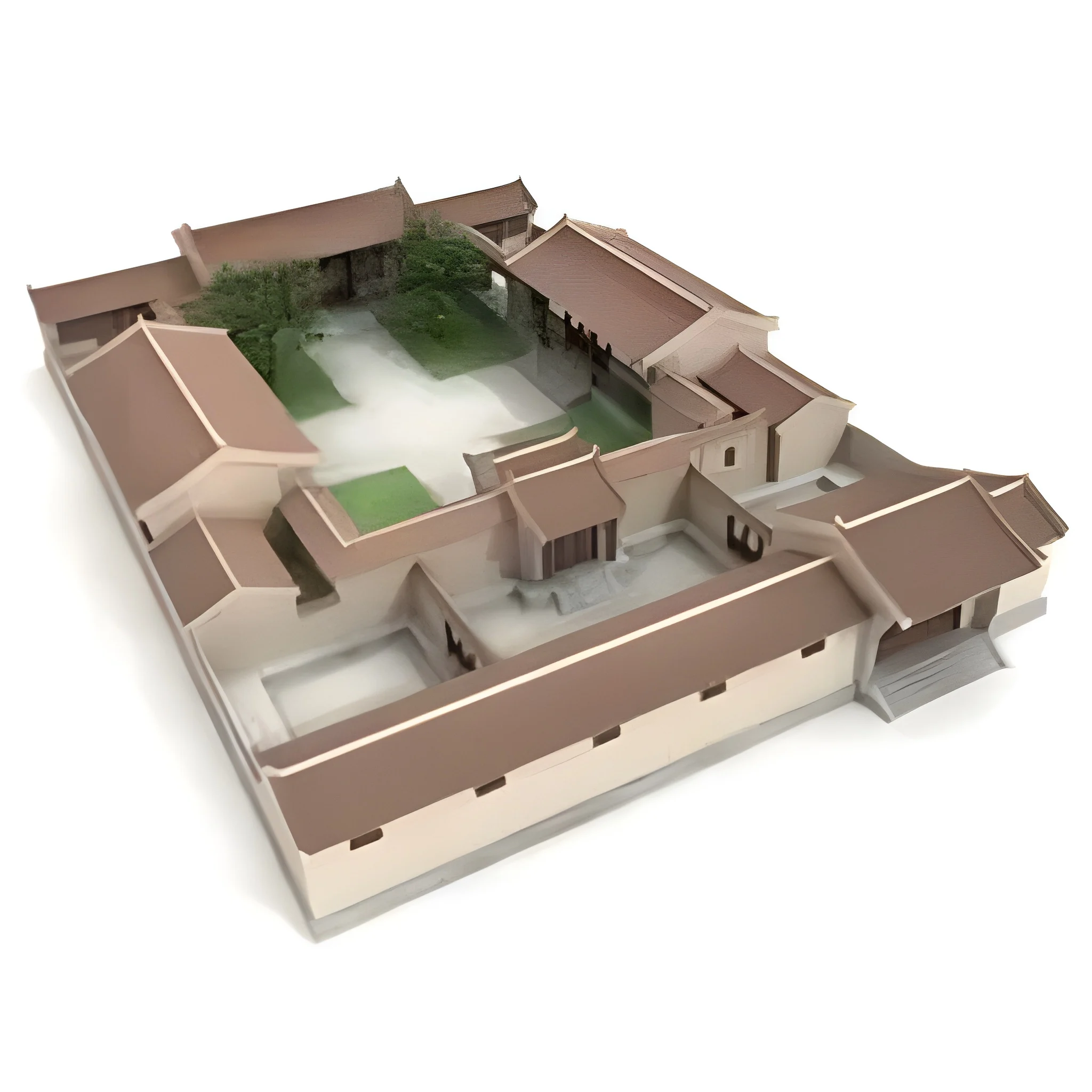
For those planning to build, several standardized yet customizable Manduva house plans are available:
Small Plot Plan (300 Sq. Yards)
Built-up Area: 1,800-2,200 sq. ft. Configuration: 2-3 BHK Courtyard Size: 200-250 sq. ft. Key Features:
- Compact central courtyard with seating
- Open-plan living and dining
- 2 bedrooms with attached bathrooms
- Modern kitchen with service yard
- Front portico with traditional pillars
- Ideal for: Nuclear families, weekend homes
Medium Plot Plan (500 Sq. Yards)
Built-up Area: 3,000-3,800 sq. ft. Configuration: 3-4 BHK Courtyard Size: 350-450 sq. ft. Key Features:
- Larger courtyard with water feature option
- Separate living and family rooms
- 3-4 bedrooms including master suite
- Prayer room/pooja area
- Covered parking for 2 vehicles
- Helper’s room with attached bathroom
- Ideal for: Extended families, heritage enthusiasts
Large Plot Plan (700+ Sq. Yards)
Built-up Area: 5,000-7,800 sq. ft. Configuration: 4-5 BHK Courtyard Size: 500-700 sq. ft. Key Features:
- Grand central courtyard with landscaping
- Multiple living areas and formal dining
- 5 bedrooms with walk-in closets
- Home office or library
- Entertainment room/home theater
- Full-scale traditional kitchen plus modern one
- Guest suite with separate entrance
- Covered parking for 3-4 vehicles
- Ideal for: Joint families, luxury heritage homes
Customization Options
Most architectural firms offer these modifications:
- Adding courtyards on multiple floors
- Incorporating swimming pools or water features
- Creating covered or partially covered courtyards
- Adding basement parking and storage
- Integrating home automation systems
- Designing separate rental units within the property
Manduva House Construction Cost: Budget Planning Guide
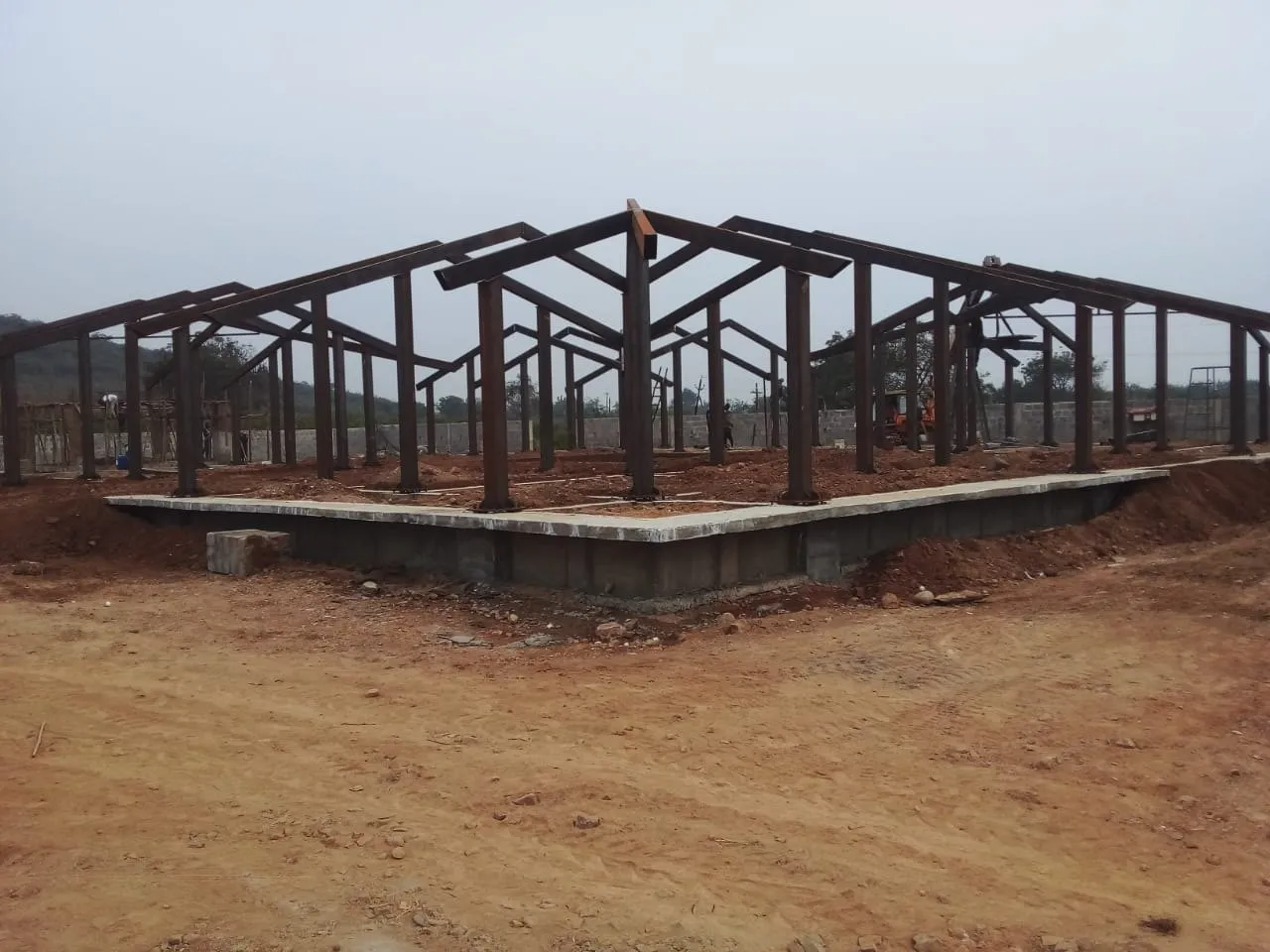
One of the most critical questions for potential homeowners: “What will it cost to build a Manduva house?” The answer depends on multiple factors, but here’s a detailed breakdown to help you plan.
Cost Per Square Foot (2024-2025 Estimates)
Building a Manduva house costs anywhere between ₹2,500 to ₹4,000 per sq. ft., depending on the materials and region. However, the total cost of building a Manduva house ranges between ₹2,500 to ₹4,500 per sq. ft., depending on material selection and customizations.
Basic Construction: ₹2,500-3,000 per sq. ft.
- Standard concrete pillars instead of wood
- Basic terracotta or concrete roofing tiles
- Standard fixtures and finishes
- Minimal decorative elements
Mid-Range Construction: ₹3,000-3,800 per sq. ft.
- Mix of wood and concrete elements
- Quality terracotta roofing
- Semi-premium fixtures
- Some carved woodwork and decorative features
Premium Construction: ₹3,800-4,500+ per sq. ft.
- Premium wood (teak, rosewood) for pillars and beams: ₹2,500 – ₹4,000 per cubic foot
- Authentic handcrafted elements
- High-end fixtures and smart home features
- Extensive carved woodwork and custom design elements
Component-Wise Cost Breakdown
For a 3,000 sq. ft. Manduva house (approximate costs):
Land: Varies significantly
- Rural/outskirts: ₹15-40 lakhs
- Semi-urban areas: ₹40-80 lakhs
- Prime urban locations: ₹80 lakhs-2 crores+
Foundation: 15-20% of total budget
- For 3,000 sq. ft.: ₹12-18 lakhs
Structural Work: 35-40% of budget
- Walls, pillars, beams: ₹30-40 lakhs
Roofing: ₹8-15 lakhs
- Terracotta tiles for roofing: ₹50 – ₹150 per sq. ft.
- Premium tiles, wooden rafters, and insulation add to costs
Courtyard Development: ₹2-8 lakhs
- Costs for incorporating aesthetic and functional courtyard elements range from ₹1 lakh to ₹5 lakhs
- Landscaping, water features, seating, lighting
Wooden Elements: ₹8-25 lakhs
- Pillars, beams, doors, window frames
- Carved decorative elements
- Quality and quantity dramatically affect cost
Flooring: ₹4-10 lakhs
- Traditional stone or modern tiles
- Different areas may use different materials
Electrical & Plumbing: ₹5-10 lakhs
- Wiring, fixtures, water supply, drainage
Modern Amenities: ₹5-15 lakhs
- Modular kitchens, smart lighting, and solar panels can add ₹5 – ₹10 lakhs to the overall budget
- Air conditioning, security systems
Interior Finishing: ₹10-25 lakhs
- Paint, woodwork, ceiling work
- Custom built-ins and decorative elements
Total Estimated Cost: ₹90 lakhs – 1.8 crores (For 3,000 sq. ft. house, excluding land)
Cost-Saving Strategies
- Pre-Designed Plans: Using standardized floor plans reduces architectural fees and construction time
- Material Alternatives: Wooden-cladded concrete pillars instead of solid wood saves significantly
- Phased Construction: Build basic structure first, add premium elements later
- Local Materials: Sourcing locally reduces transportation costs
- Off-Season Construction: Building during non-peak seasons may offer better labor rates
The Revival: Why Millennials Are Choosing Manduva Houses
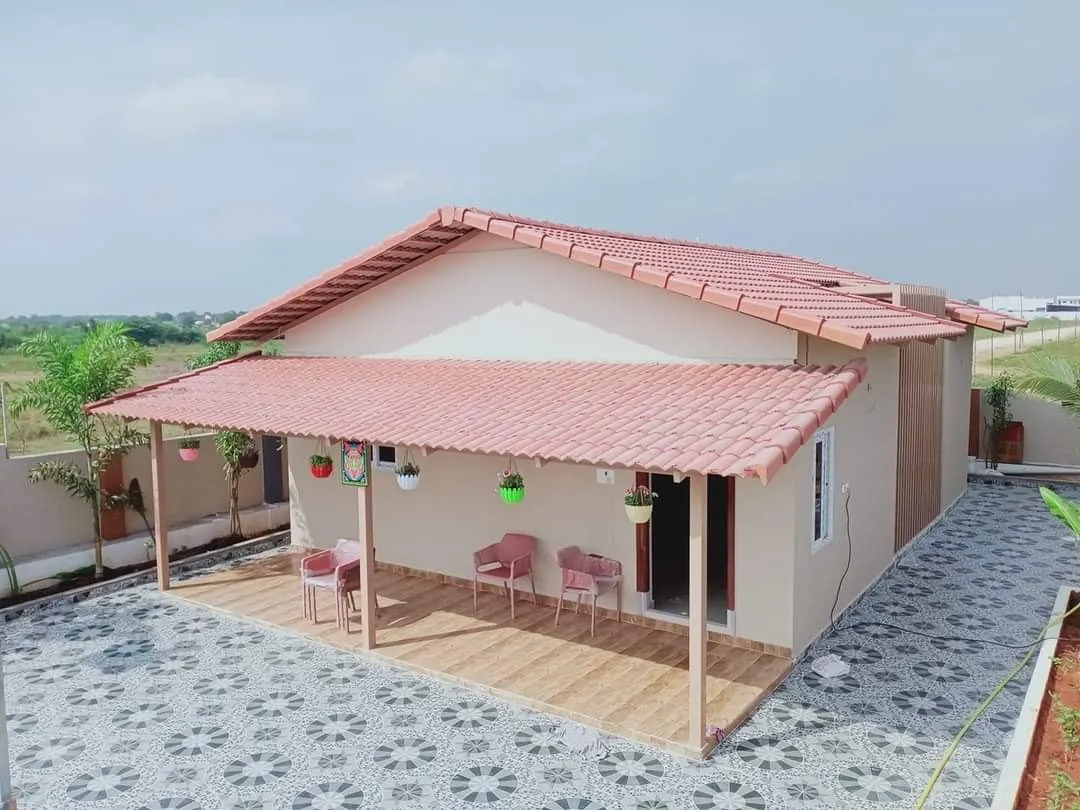
Young Indians are embracing a revival of Manduva houses, drawn to their timeless charm and thoughtful design. In a world of identical apartment complexes, these homes offer something profoundly different.
Connection to Heritage
For many young Indians, especially NRIs returning home, a Manduva house represents reconnection with cultural roots. It’s not just about owning property – it’s about preserving family legacy and passing on architectural traditions to the next generation.
Sustainable Living
Modern consciousness about environmental impact makes Manduva houses increasingly attractive. Their passive cooling systems, natural lighting, and sustainable materials align perfectly with eco-conscious values without requiring compromises on comfort.
Work-From-Home Perfection
The courtyard provides a natural break between work and living spaces. Many remote workers are converting courtyard-adjacent rooms into home offices, benefiting from natural light and the psychological advantage of indoor-outdoor connectivity.
Investment Value
Heritage-style homes are appreciating in value, particularly in tier-2 cities. A well-designed Manduva house stands out in the real estate market, often commanding premium prices and attracting buyers seeking distinctive properties.
Community Living Redefined
While designed for joint families, modern Manduva houses work beautifully for creating multi-generational living arrangements with privacy – aging parents in one wing, young couples in another, all connected through the shared courtyard space.
Building Your Manduva House: Step-by-Step Process
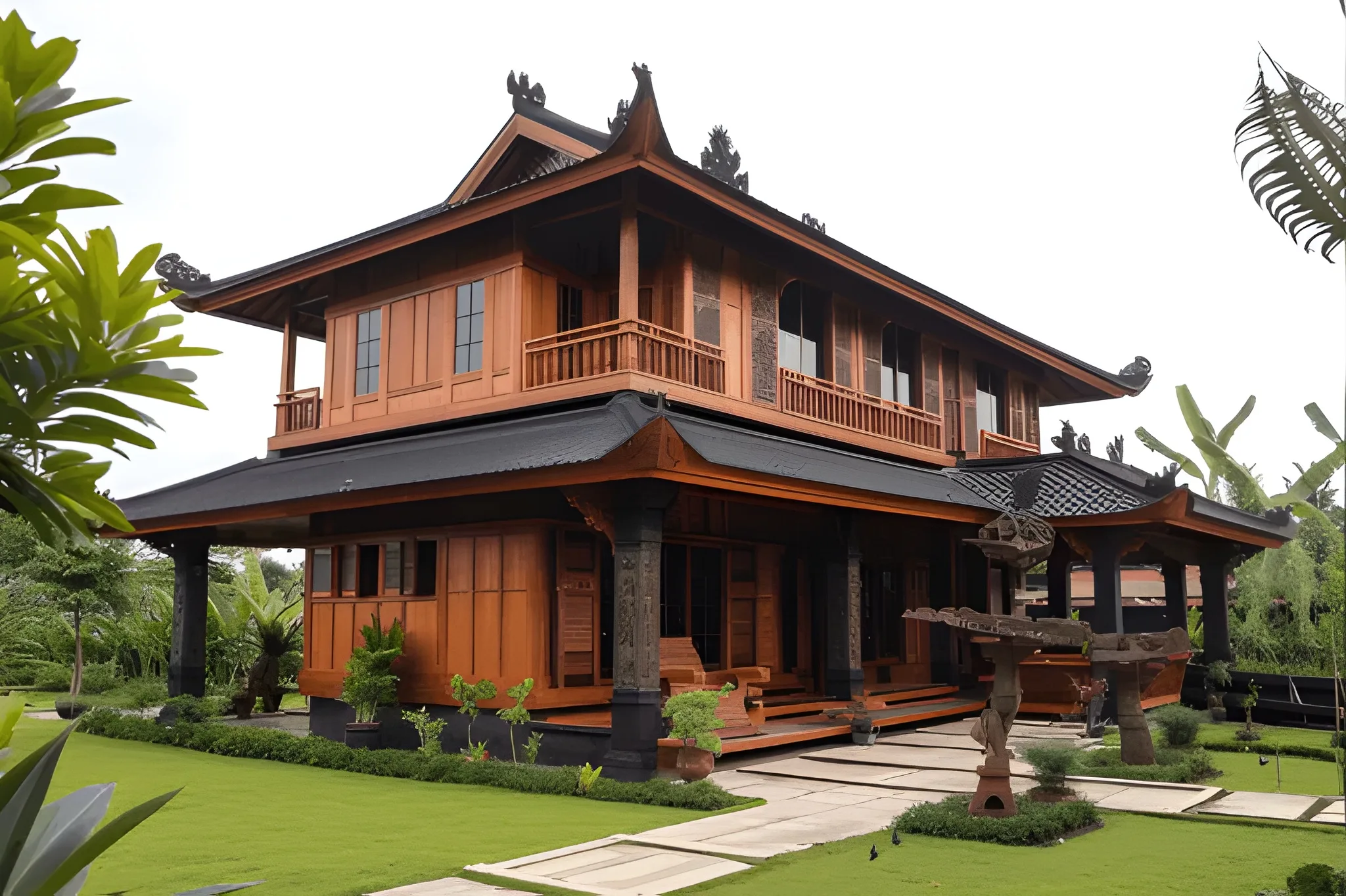
Ready to embark on your Manduva house journey? Here’s what to expect:
Phase 1: Planning (2-3 months)
Site Selection: Choose location considering soil type, water table, and local building regulations
Design Consultation: Work with architects specializing in traditional homes to create or customize your floor plan
Budget Finalization: Get detailed cost estimates including contingency (typically 10-15% of budget)
Approvals: Obtain necessary building permits, ensuring compliance with local regulations
Phase 2: Foundation & Structure (4-6 months)
Site Preparation: Leveling, excavation, and foundation work
Structural Work: Pillars, walls, and beam construction
Courtyard Formation: Special attention to drainage and water management systems
Roofing: Installing sloped roof structure and tiles
Phase 3: Services & Finishing (3-4 months)
Electrical & Plumbing: Running all utility lines
Woodwork: Installing doors, windows, decorative elements
Flooring: Laying stones or tiles
Plastering & Painting: Interior and exterior finishing
Courtyard Landscaping: Plants, seating, lighting
Phase 4: Interior Setup (1-2 months)
Furnishing: Traditional or contemporary furniture
Appliances: Kitchen and bathroom fixtures
Final Touches: Artwork, decorative pieces, traditional elements
Total Timeline: 10-15 months from planning to move-in
Visit Also: Hardik Pandya House
Real Stories: Manduva Houses Coming to Life
Several projects across South India demonstrate the successful revival of this architectural style:
Alakananda Riverfront, Andhra Pradesh
A luxury gated community features multiple Manduva-style homes, including a 7,800 sq. ft. traditional Manduva Logili house built on 710 sq. yards. Residents have constructed weekend retreats and permanent residences incorporating courtyard designs with modern riverfront amenities.
Heritage Homestays in East Godavari
Old Manduva houses are being restored as tourist homestays, preserving architectural heritage while creating sustainable income. The 80-year-old “Adabala Veeranna” Bhavan in Turpupalem village exemplifies this trend, featuring eight rooms arranged around a traditional courtyard.
Urban Adaptations in Hyderabad
Young professionals are building compact Manduva houses (2,000-3,000 sq. ft.) in gated communities around Hyderabad, proving that traditional architecture works perfectly in suburban settings.
Maintenance and Upkeep of Manduva Houses
Owning a traditional home requires understanding specific maintenance needs:
Regular Care
Wooden Elements: Annual termite treatment, periodic oiling or varnishing of exposed wood
Terracotta Tiles: Check for cracks after monsoons, replace damaged tiles promptly
Courtyard Drainage: Clean drainage channels quarterly to prevent clogging
Wall Maintenance: Lime wash or paint exterior walls every 2-3 years
Seasonal Maintenance
Pre-Monsoon: Check roof tiles, clean gutters, inspect courtyard drainage
Post-Monsoon: Inspect for water damage, treat any fungal growth
Summer: Apply natural wood treatments, check for pest infestation
Long-Term Care
Woodwork Restoration: Every 10-15 years, major wooden elements may need restoration
Structural Inspection: Annual checks for foundation settling or wall cracks
Upgrading Systems: Modernize electrical and plumbing as needed
Conclusion: Living the Manduva Legacy
A Manduva house is more than architectural style – it’s a philosophy of living that prioritizes family connection, environmental harmony, and cultural continuity. Whether you’re restoring an ancestral home or building a new one, you’re participating in keeping alive a tradition that has served South Indian families for centuries.
The revival of Manduva houses proves that good design transcends time. These homes teach us that sustainability isn’t a modern invention but an ancient wisdom we’re rediscovering. They show us that living spaces can be both functional and beautiful, traditional and contemporary, private and communal.
As you stand in a Manduva courtyard, looking up at the open sky while surrounded by rooms full of family and life, you understand why this architectural form has endured. It creates not just a house, but a home in the truest sense a space where memories are made, traditions are honored, and families grow together under one protective roof with the sky itself as a witness.
? FAQs About Manduva Houses
Q: Where are Manduva houses traditionally found?
Predominantly in Telangana and Andhra Pradesh, especially in Godavari, Guntur, Nellore, Cuddapah, and Vijayanagaram districts.
Q: How much does it cost to build a Manduva house?
₹2,500 to ₹4,500 per sq. ft. A typical 3,000 sq. ft. house costs ₹90 lakhs to ₹1.8 crores (excluding land).
Q: Are Manduva houses suitable for modern lifestyles?
Absolutely! They incorporate smart home tech, modern amenities, and AC while preserving traditional aesthetics.
Q: What are the main challenges in maintaining a Manduva house?
Termite protection for wood, terracotta roof maintenance, and courtyard drainage cleaning. Annual treatment and inspections keep them durable.
Q: How long does it take to build a Manduva house?
Typically 10-15 months from planning to move-in, including all phases of construction.
Q: Do Manduva houses stay cool without AC?
Yes! The courtyard design provides passive cooling through natural ventilation, though AC can be added for extra comfort.
