
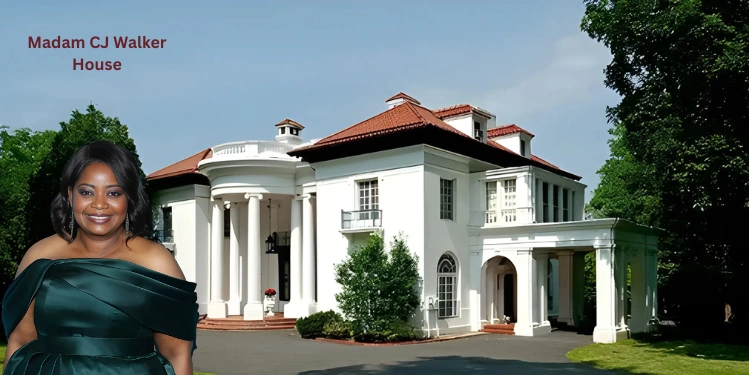
The Madam CJ Walker house, officially known as Villa Lewaro, is a 34-room, 20,000-square-foot Italianate mansion at 67 North Broadway in Irvington, New York. Built between 1916 and 1918 at an estimated cost of $250,000–$350,000, it was the personal residence of America’s first self-made female millionaire. Today it is owned by the New Voices Foundation and is being transformed into a leadership institute for women of color entrepreneurs.
Quick Stats: Madam CJ Walker House
| Feature | Detail |
|---|---|
| Property Name | Villa Lewaro |
| Location | 67 N. Broadway, Irvington, New York |
| Size | 34 rooms / 20,000–28,000 sq. ft. |
| Construction Period | 1916–1918 |
| Build Cost | ~$250,000–$350,000 (est.) |
| Architect | Vertner Woodson Tandy |
| Architectural Style | Italianate / Neo-Palladian |
| Land | ~3–5 acres |
| Landmark Status | National Historic Landmark (1976) |
| Current Owner | New Voices Foundation (since 2018) |
| Madam CJ Walker Net Worth (at death) | $600,000–$700,000 (~$9–10M today) |
| Neighbors (historical) | Rockefellers, Astors, Jay Gould |
Disclaimer: All details are based on verified public records, National Historic Landmark documentation, and credible media sources. Property features and usage plans may evolve over time.
What does it look like when a washerwoman who once earned $1.50 a day builds a 34-room mansion on the same street as the Rockefellers?
It looks like Villa Lewaro the legendary Madam CJ Walker house that sits at 67 North Broadway in Irvington, New York, a gleaming white Italianate jewel that has stood for over a century as one of the most powerful architectural statements in American history.
When neighbors along this stretch of the Hudson River Valley known at the time as Millionaire’s Row discovered that the mansion going up in their midst belonged to a Black woman, the reaction was jaw-dropping disbelief. The New York Times itself reported their response in 1917: “Impossible! No woman of her race could afford such a place.”
Who Was Madam CJ Walker? A Life Worth Knowing

Madam CJ Walker Early Life
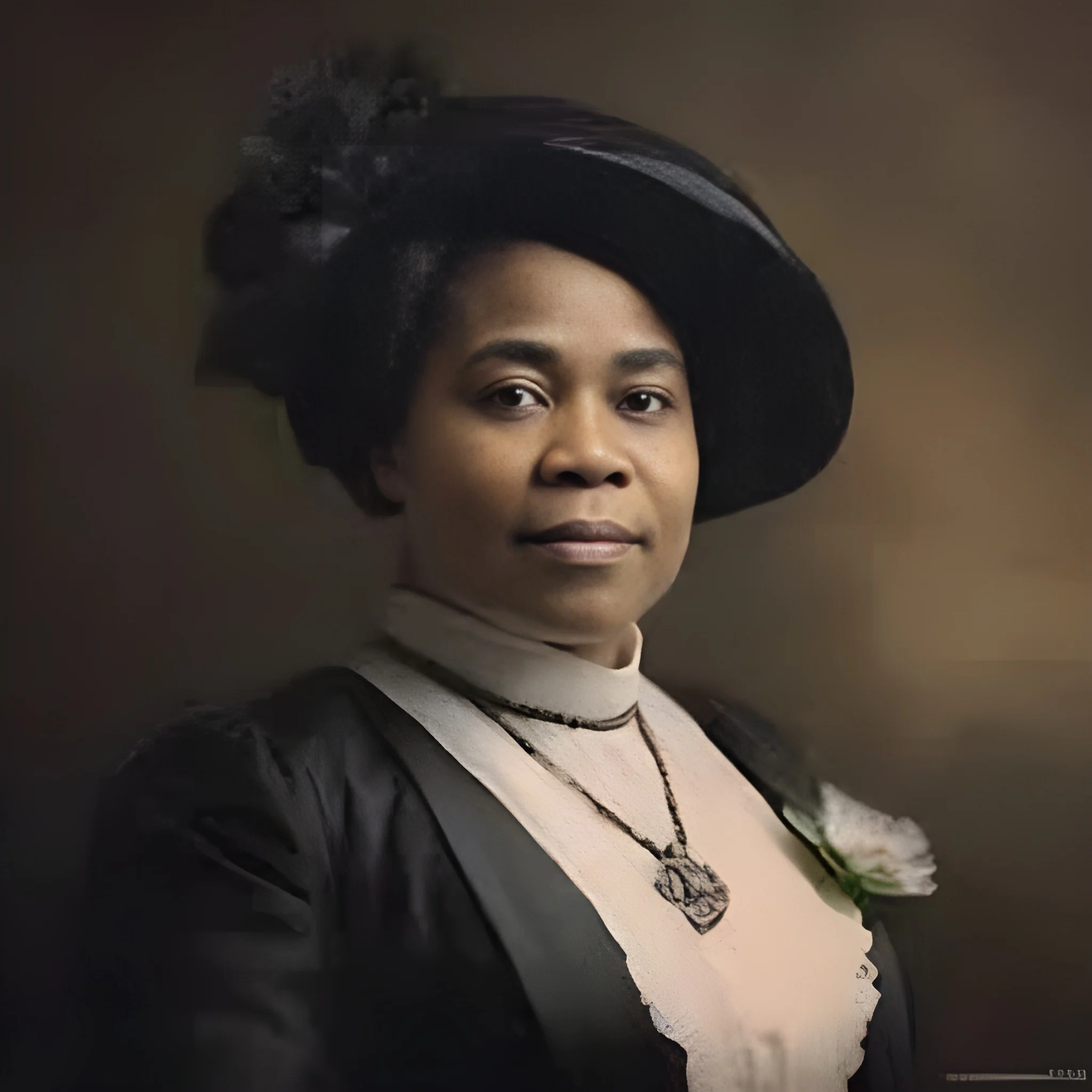
Madam CJ Walker early life reads like a story that defies every imaginable odds. Born Sarah Breedlove on December 23, 1867, near Delta, Louisiana, she was the first child in her family born into freedom after the Emancipation Proclamation. Her parents and older siblings had been enslaved on the Madison Parish plantation of Robert W. Burney.
Her mother died in 1872 likely from cholera. Her father died a year later. Orphaned at seven, she moved to Vicksburg, Mississippi, then to St. Louis at 18, where she worked as a laundress earning barely a dollar a day. She was married at 14, widowed at 20, and raising a daughter alone.
By 38, she had transformed herself. After developing a line of Madam CJ Walker products hair care formulas and cosmetics specifically designed for Black women she built a salesforce of nearly 23,000 agents operating across the United States, the Caribbean, and Central America.
She died on May 25, 1919, at age 51, with an estate valued at $600,000–$700,000, the equivalent of roughly $9–10 million today according to Smithsonian Magazine. That is the verified figure for Madam CJ Walker net worth at the time of her passing a staggering achievement for any American, let alone a Black woman navigating the brutal racial terrain of the early 20th century.
Madam CJ Walker House Location: Where America’s Millionaire’s Row Begins
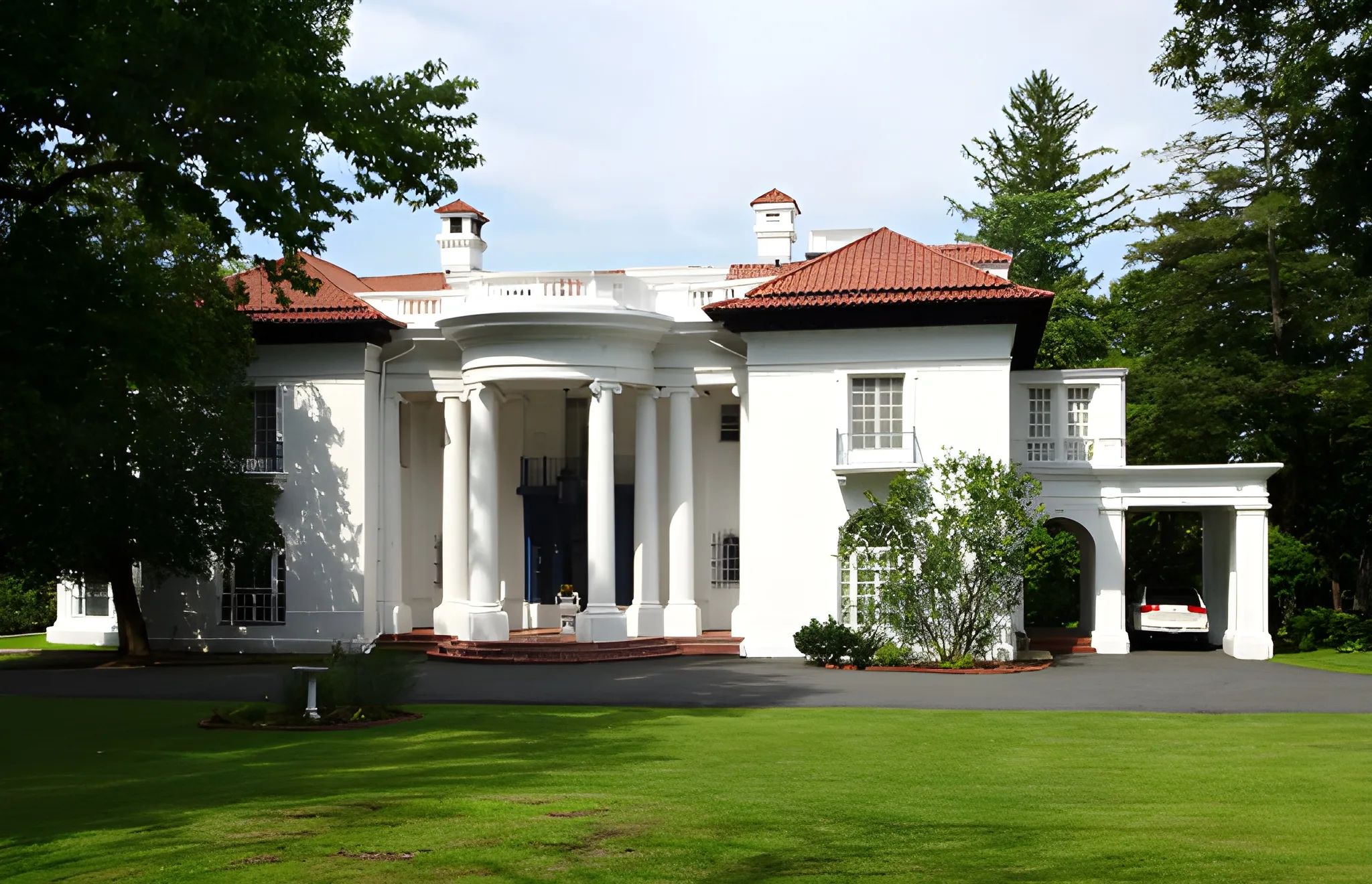

The Madam CJ Walker house location is Irvington, New York a village along the eastern bank of the Hudson River, roughly 30 miles north of Manhattan.
The address, 67 North Broadway (US Route 9), places the estate in an area that was once home to some of America’s wealthiest dynasties. Half a mile away stood Jay Gould’s Lyndhurst. Just under five miles upriver was John D. Rockefeller’s Kykuit. The Astors were neighbors too.
What set Walker’s choice of position apart from every other mansion on Millionaire’s Row? She deliberately chose to face Broadway not the river so that every traveler making the journey between New York City and Albany would see her home. Most of her wealthy white neighbors positioned their estates toward the scenic Hudson River views. Walker wanted to be seen by the public. That choice was a political act as much as an architectural one.
Architecture & Exterior: A Monument Dressed in White
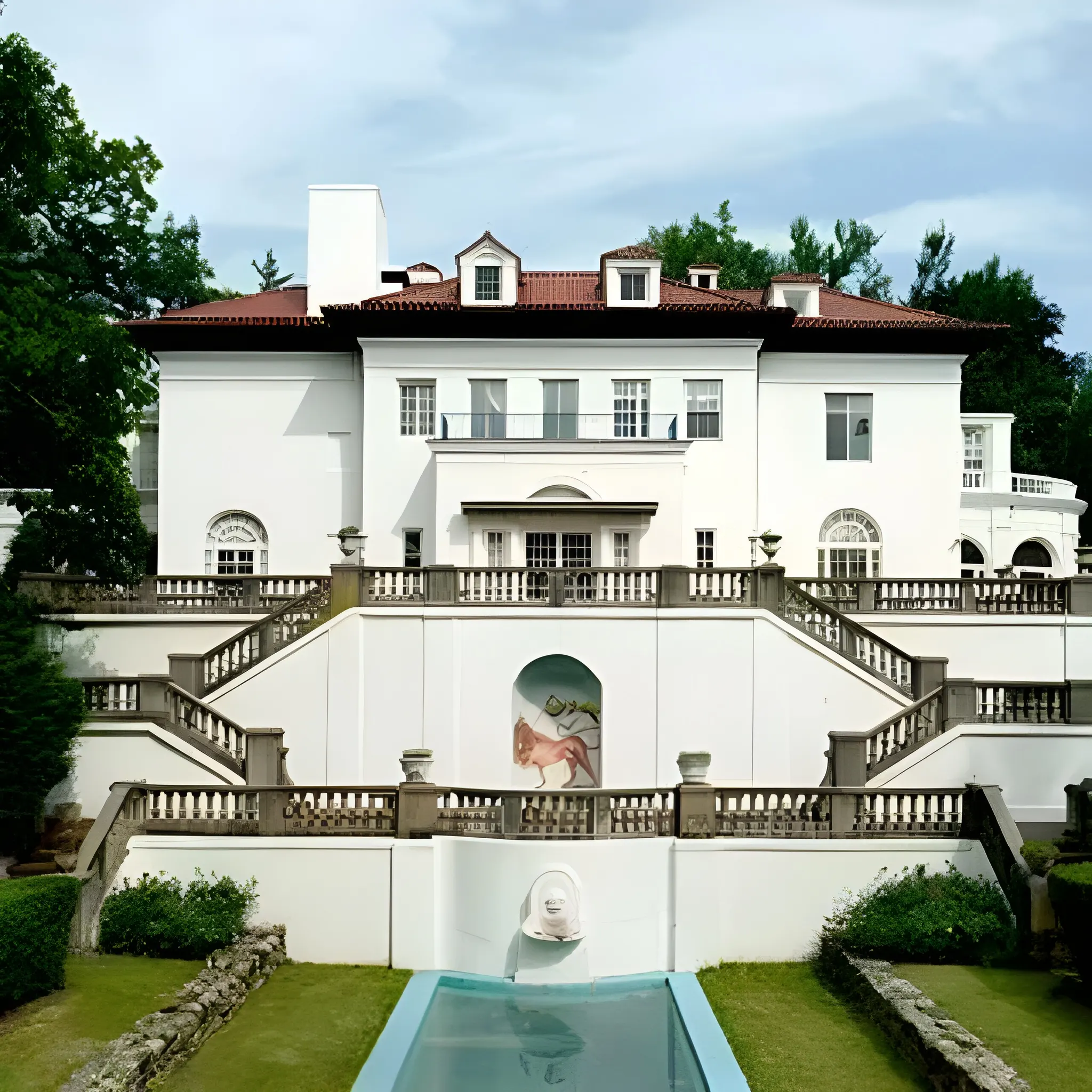
The Madam CJ Walker house is formally designed in the Italianate style, with neo-Palladian and Mediterranean classical influences. The structure is a striking white stucco mansion with a red-tiled roof a look that Italian opera tenor Enrico Caruso reportedly said reminded him of his native Naples.
It was designed by Vertner Woodson Tandy (1885–1949), the first African-American architect licensed in the state of New York and a founder of the Alpha Phi Alpha fraternity. Tandy had previously redesigned Walker’s Harlem townhouse, and Walker trusted him completely for this grander undertaking.
Construction ran from 1916 to 1918, at an estimated cost between $250,000 and $350,000 an extraordinary sum at the time. The estate sits on approximately 3 to 5 acres of sloping landscape with multi-level terraces. An iconic carriage house rounds out the property.
A key design element: Tandy sited the mansion close to the main road at Walker’s specific request, maximizing its visibility to passersby. It was a deliberate statement of Black prosperity and achievement in an era defined by Jim Crow laws and racial terror.
Madam CJ Walker House Inside: Room-by-Room Grandeur
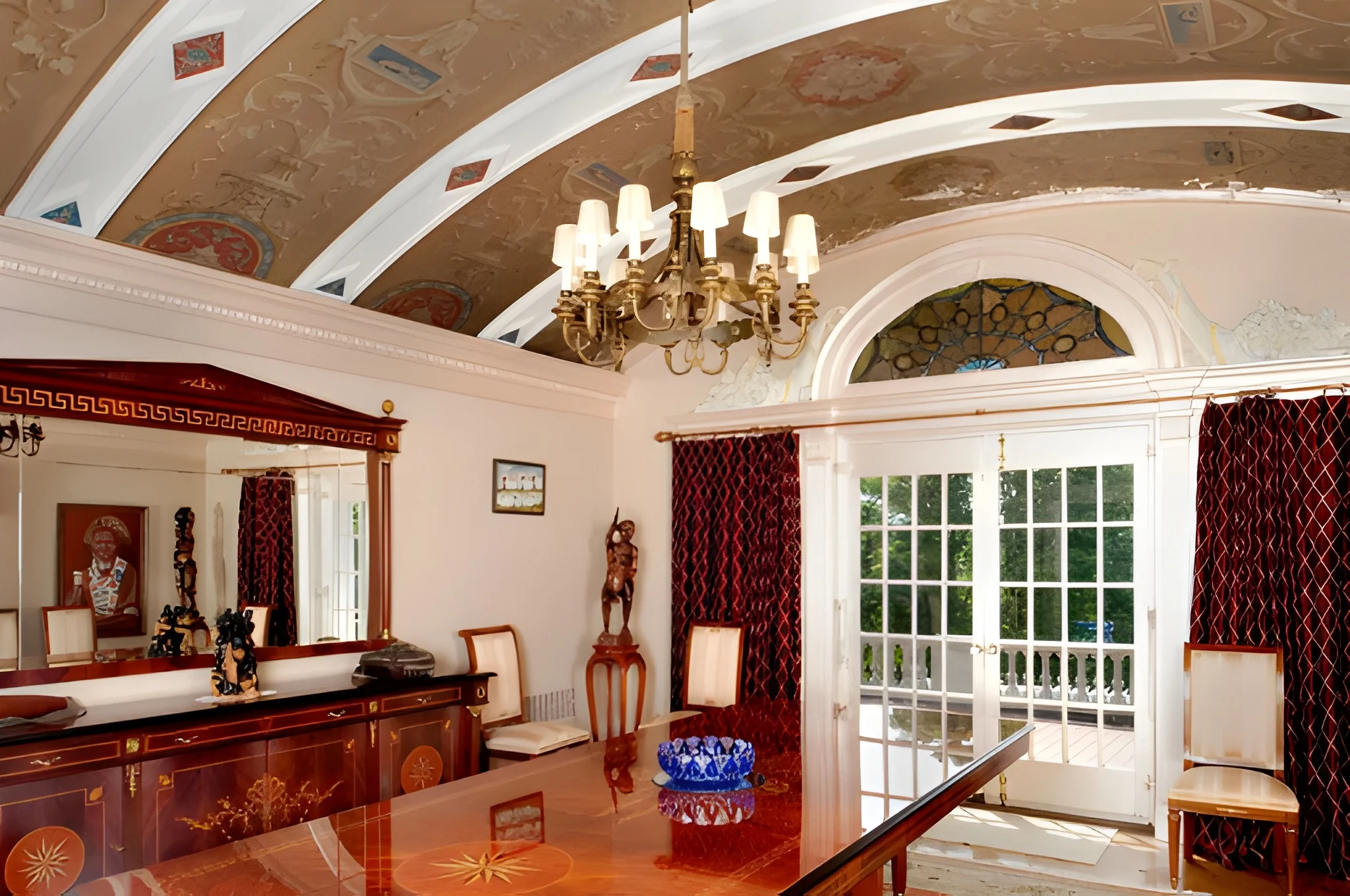

The Madam CJ Walker house inside was nothing short of breathtaking for its era and much of the original interior remains preserved and intact today.
The Music Salon
The most celebrated room in the mansion is the Louis XV-style music salon, featuring two large Italian crystal chandeliers suspended from a recessed oval ceiling painted with a trompe-l’oeil cloud-filled blue sky. It housed a $25,000 Estey pipe organ with speaker ducts threaded throughout the house that Walker personally specified after being moved by a similar instrument at her church in St. Louis.
Enrico Caruso himself performed in this room, and it was here that he suggested the name “Villa Lewaro” constructed from the first two letters of Walker’s daughter’s full name: A’LElia WAlker RObinson.
The Furniture and Decor
The interiors were furnished without any regard for cost. Documented pieces include:
- A walnut center table manufactured by the Grand Rapids Berkey and Gay Furniture Company
- A gilded harp
- An English China tea set
- A bust of Booker T. Washington
- Rare antiques and custom furnishings throughout all 34 rooms
Contemporary accounts noted that guests were “carried away with amazement over the simple yet elegant house furnishings and the good taste displayed in the color schemes.”
Bathrooms and Modern Amenities
There is a poignant detail about these interiors: Walker had lived more than half her life without indoor plumbing. So when she designed Villa Lewaro, she included multiple luxurious bathrooms and amenities that were ahead of their time a deliberate, personal triumph built into every fixture.
The home was equipped with the high-tech amenities of the day not unlike how someone today would outfit a property with smart home technology.
A Gathering Place for History: The Harlem Renaissance Connection
Villa Lewaro was never just a house. Walker described it as her “dream of dreams”, and the New York Times called it “a place fit for a fairy princess.” But its deeper significance lay in what happened inside those walls.
The estate became the intellectual and cultural hub of the Harlem Renaissance, hosting luminaries including:
- W.E.B. Du Bois
- Langston Hughes (who documented events there in his autobiography)
- Zora Neale Hurston
- James Weldon Johnson
- Ida B. Wells
In January 1919, the International League of Darker Peoples was founded at Villa Lewaro. In August of the same year, the NAACP held a visit there to commemorate the 1619 arrival of enslaved Africans in America. Walker herself donated the equivalent of $65,000 to the NAACP’s anti-lynching fund their largest gift ever at that time.
The Madam CJ Walker Movie Connection


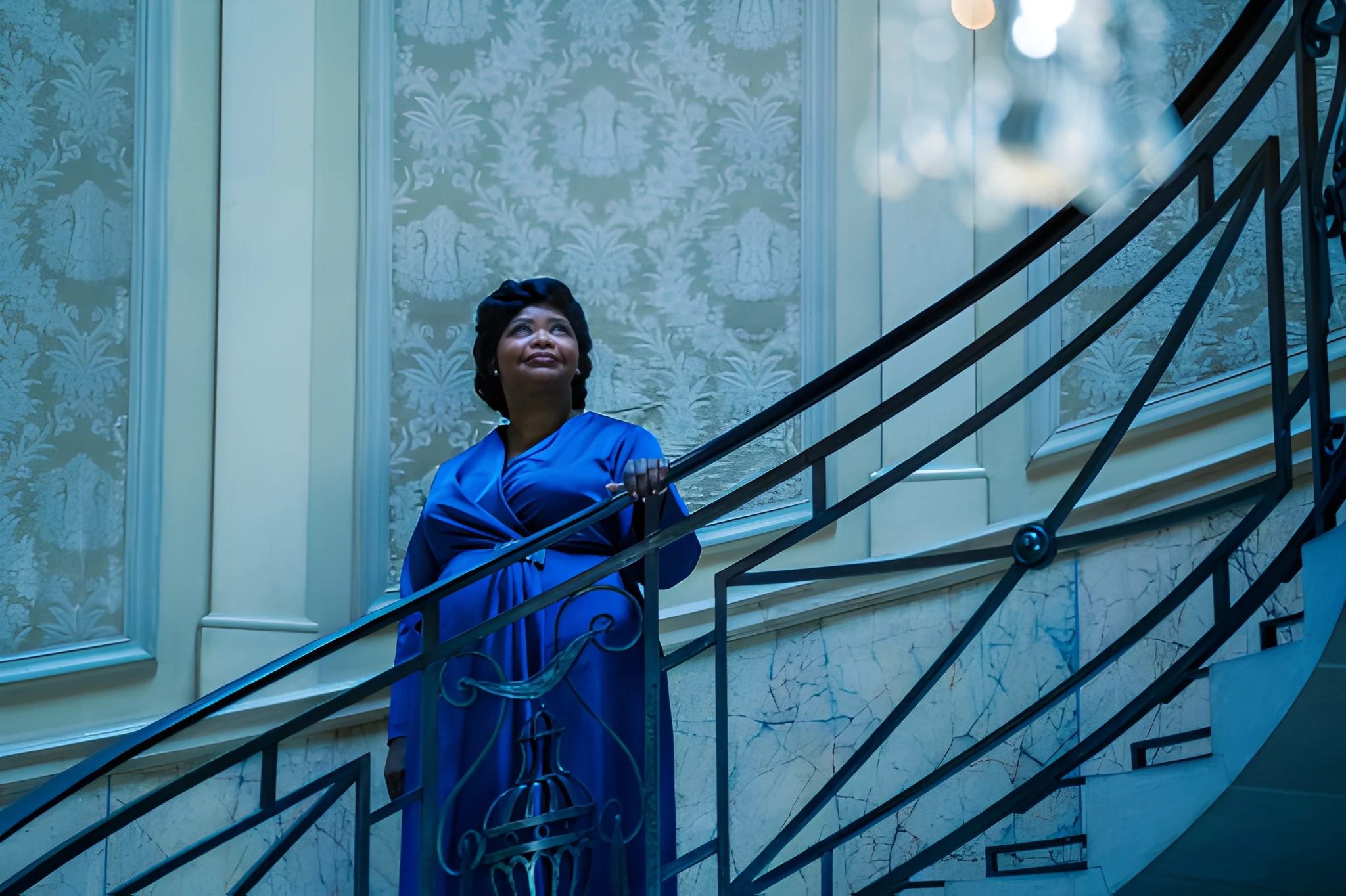
The story of this remarkable woman and her home gained renewed public attention in 2020 with the Netflix limited series “Self Made: Inspired by the Life of Madam CJ Walker”, starring Octavia Spencer as Walker, with Tiffany Haddish as her daughter A’Lelia. LeBron James and Maverick Carter served as executive producers.
The Madam CJ Walker movie (miniseries) was based on the biography On Her Own Ground by Walker’s great-great-granddaughter A’Lelia Bundles and premiered on March 20, 2020. Spencer received a Primetime Emmy nomination for Outstanding Lead Actress for her portrayal.
It’s worth noting that historians and Walker’s own descendants flagged several creative liberties in the series particularly the depiction of Annie Malone (a real Black female entrepreneur) as a villain, which did not reflect historical reality. If the series sparked your curiosity, the biography by A’Lelia Bundles is the definitive, accurate source.
The Products That Built the Empire
The Madam CJ Walker products at the heart of her empire included hair care formulas, scalp treatments, and beauty preparations specifically designed for Black women marketed through a revolutionary direct-sales network she built and trained herself.
Her flagship product, Madam Walker’s Wonderful Hair Grower, was a scalp conditioner and healing salve. She also developed shampoos, pressing oils, and popularized a hair care regimen she called “the Walker Method”, taught through licensed beauty schools she established across the country.
Today, a contemporary line called MADAM by Madam C.J. Walker developed by Sundial Brands, the company whose founder Richelieu Dennis also purchased Villa Lewaro is sold at Walmart stores nationwide. The circle of legacy is notably intact.
The Estate Today: From Mansion to Movement
Villa Lewaro was designated a National Historic Landmark in 1976. In 2014, the National Trust for Historic Preservation named it a National Treasure.
In December 2018, the New Voices Foundation founded by Richelieu Dennis, owner of Essence magazine purchased the estate for an undisclosed price. The foundation is dedicated to supporting women of color entrepreneurs, making it perhaps the most fitting stewardship imaginable for Walker’s home.
- The Madam C.J. Walker Institute for Women of Color Entrepreneurs, offering workshops and seminars
- Special events related to education and entrepreneurship
- Private tours of the house for up to 50 people, in compliance with National Historic Places requirements
In July 2023, the Irvington Board of Trustees issued a special permit for Villa Lewaro to operate as a historical, educational, and cultural facility a major step forward for its transformation.
What Most Get Wrong: The Trade-Offs of Walker’s Choice
Here is an angle that deserves honest acknowledgment: Walker poured enormous resources into Villa Lewaro at a time when she was also fielding criticism from within the Black community. Journalist and activist Ida B. Wells famously questioned what she would do with a 30-room house. Booker T. Washington himself was skeptical.
Walker’s answer was unambiguous: the house was not for personal indulgence. It was a monument to possibility proof, planted on Millionaire’s Row, that Black Americans could achieve anything. She sacrificed enjoying it for long: she moved in in May 1918 and died there in May 1919, just one year later.
The trade-off between personal grandeur and political symbolism is what makes the Madam CJ Walker house unlike any other celebrity estate we cover. It was always bigger than one person.
Read Also: Taniya Mittal House
Conclusion
Of all the extraordinary homes we have explored and Villa Lewaro stands among the most architecturally and historically significant none carries the weight of this one.
The Madam CJ Walker house is not just an Italianate mansion with a gilded harp and a pipe organ. It is a declaration, written in stone and stucco, that no barrier not poverty, not race, not gender, not grief is permanent. Walker went from a dirt-floor shack in Louisiana to the most elegant stretch of real estate in New York, and she did it in roughly one decade.
FAQs About the Madam CJ Walker House
Q1. Where is the Madam CJ Walker house located?
67 North Broadway, Irvington, New York 30 miles north of Manhattan.
Q2. How much did Madam CJ Walker’s house cost?
Estimated $250,000–$350,000 to build (1916–1918).
Q3. Can you visit the Madam CJ Walker house?
Yes, limited private tours for up to 50 visitors are available via the New Voices Foundation.
Q4. Who designed the Madam CJ Walker house?
Architect Vertner Woodson Tandy New York’s first licensed Black architect.
Q5. What is Madam CJ Walker’s net worth?
$600,000–$700,000 at death (1919) roughly $9–10 million today.
Q6. Is there a movie about Madam CJ Walker?
Yes “Self Made” (Netflix, 2020), starring Octavia Spencer.