
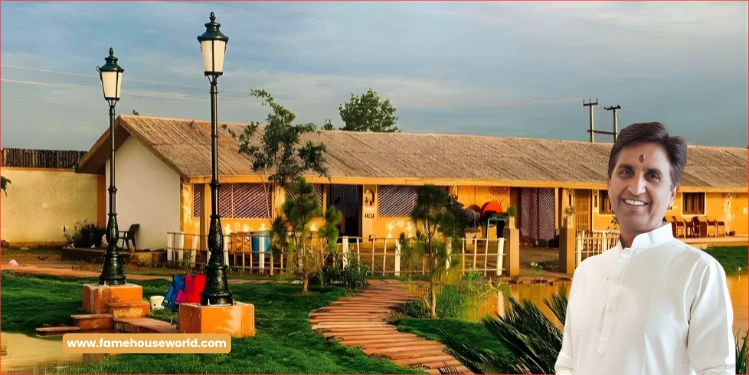
Dr. Kumar Vishwas, the renowned Hindi poet, lecturer, and former politician, doesn’t just craft beautiful verses he’s also created stunning living spaces that perfectly reflect his philosophy of life. The Kumar Vishwas house story is fascinating, featuring not one but two distinctive properties that have captured public attention and gone viral on social media.
From a traditionally-built eco-mansion in his ancestral village to a modern luxury residence in the city, Kumar Vishwas’s homes tell a story of staying connected to roots while embracing contemporary life. With his unique KV Kutir making headlines for its sustainable construction and his Ghaziabad property showcasing contemporary elegance, fans and design enthusiasts are eager to peek inside these remarkable spaces.
Last Updated: December 11, 2024
umar Vishwas House: Quick Stats at a Glance
| Property Details | Urban Residence (Ghaziabad) | Village Home (KV Kutir) |
|---|---|---|
| Location | Vasundhara Sector 3, Ghaziabad | Pilkhuwa, Hapur District, UP |
| Property Type | Luxury Flat/Bungalow | Eco-Friendly Village Mansion |
| Estimated Value | ₹90 lakhs+ (2014 valuation) | Part of ₹3.80 crore portfolio |
| Construction Type | Modern (Cement & Marble) | Vedic Plaster (No Cement) |
| Theme | Contemporary White & Gold | Traditional Village Aesthetic |
| Flooring | Premium Marble | Earth-based Natural Materials |
| Key Features | Chandeliers, Glass Doors, Multiple Temples | Pond, Gau Shala, Organic Farm, Library |
| Special Elements | Modern Furniture, Antique Pieces | Goddess Saraswati Statue, Buddha Statue |
| Usage | Primary Family Residence | Creative Retreat & Weekend Home |
| Sustainability | Standard Urban Construction | 100% Eco-Friendly, Zero Carbon |
| Social Media | Featured on @kumarvishwas | Dedicated @kvkutirr account |
Disclaimer: The information presented in this article is based on publicly available sources, media reports, election affidavits, and social media posts. Property values, layouts, and features may have changed since the information was published. We respect the privacy of all individuals and do not encourage unsolicited visits to private properties.
Kumar Vishwas: A Brief Overview
Before diving into his properties, let’s understand the man behind these homes. Born Vishwas Kumar Sharma on February 10, 1970, in Pilkhuwa, Uttar Pradesh, Kumar Vishwas rose from humble beginnings to become one of India’s most influential Hindi poets. He holds a PhD in Hindi literature and has performed at over 5,000 poetry recitations worldwide, from Dubai to Singapore, Japan to the United States.
Beyond poetry, Vishwas was a founding member of the Aam Aadmi Party (AAP) and contested the 2014 Lok Sabha elections from Amethi. He currently hosts the popular comedy show “KV Sammelan” on Aaj Tak and has written songs for Bollywood films like “Parmanu: The Story of Pokhran.”
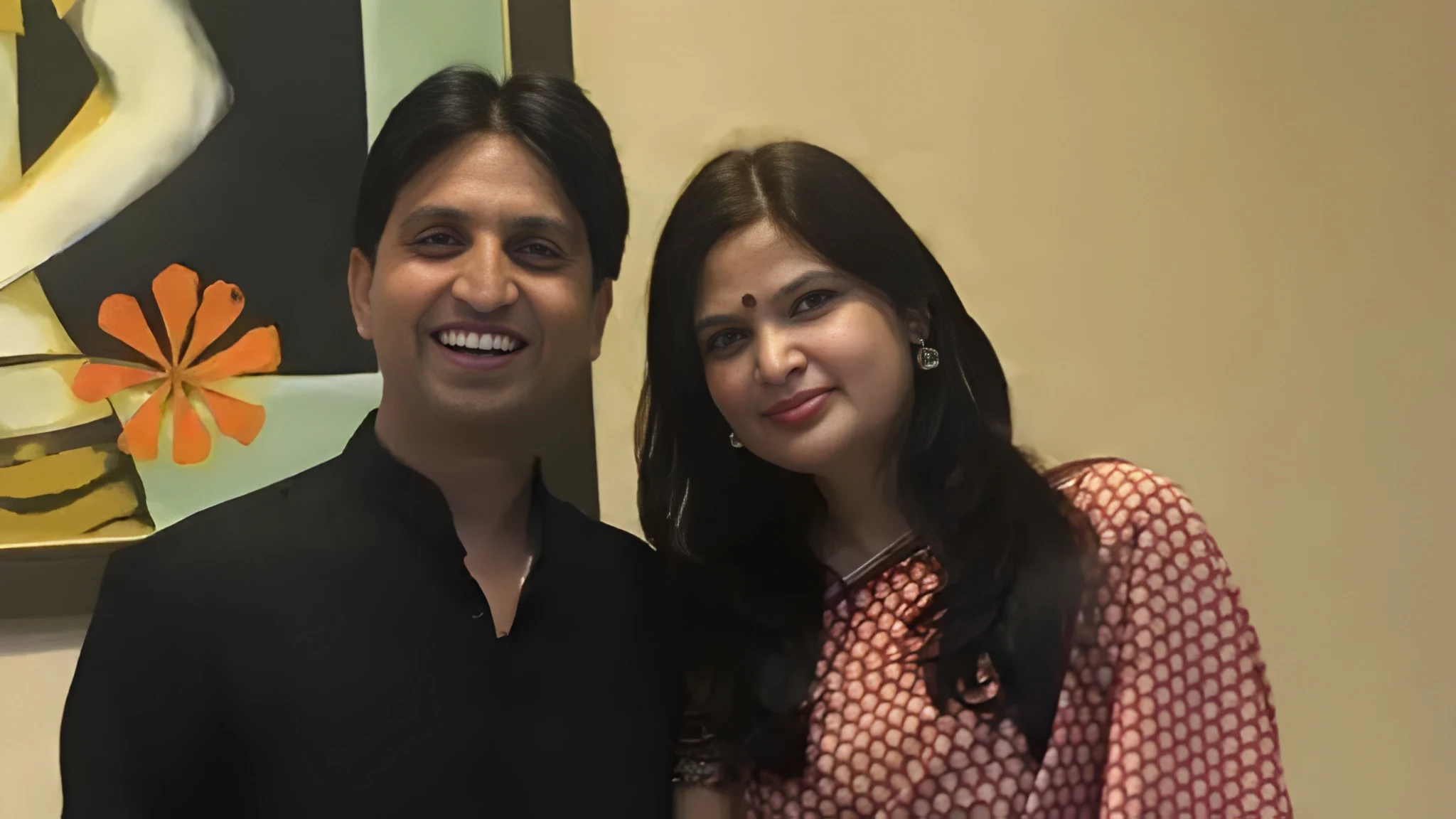
His estimated net worth ranges between Rs. 4-5 crore (as per 2014 affidavit), with properties worth approximately Rs. 3.80 crores. He lives with his wife Manju Sharma, also a Hindi literature lecturer, and their two daughters, Kuhu and Agrata.
Kumar Vishwas House in Noida Region: The Primary Residence

Location Details
Kumar Vishwas’s primary urban residence is located at House Number 1084, Vasundhara Sector 3, Ghaziabad, Uttar Pradesh – 201010. While often referred to as being in the Noida region due to its proximity, the property is technically in Ghaziabad, part of the National Capital Region (NCR).
Vasundhara is an established residential area in Ghaziabad, known for its well-planned sectors and connectivity to Delhi and Noida. The location provides Kumar Vishwas easy access to television studios, event venues, and literary gatherings across the NCR while maintaining a comfortable distance from the city’s hustle.
Property Value
According to affidavits submitted during the 2014 Lok Sabha elections, Kumar Vishwas owns a flat in Ghaziabad valued at approximately Rs. 90 lakhs. Given the property market appreciation over the past decade, the current valuation would be significantly higher.
The Urban Mansion: Design & Architecture
The Ghaziabad residence represents contemporary luxury and modern living. Unlike his village home, this property embraces sleek, urban aesthetics while maintaining elements of Indian culture and spirituality.
Exterior Features:
- Grand entrance with large glass doors
- White and marble theme throughout
- Modern architectural design
- Secure compound with parking facilities
Kumar Vishwas House Interior: A Glimpse Inside the Urban Home

Living Spaces
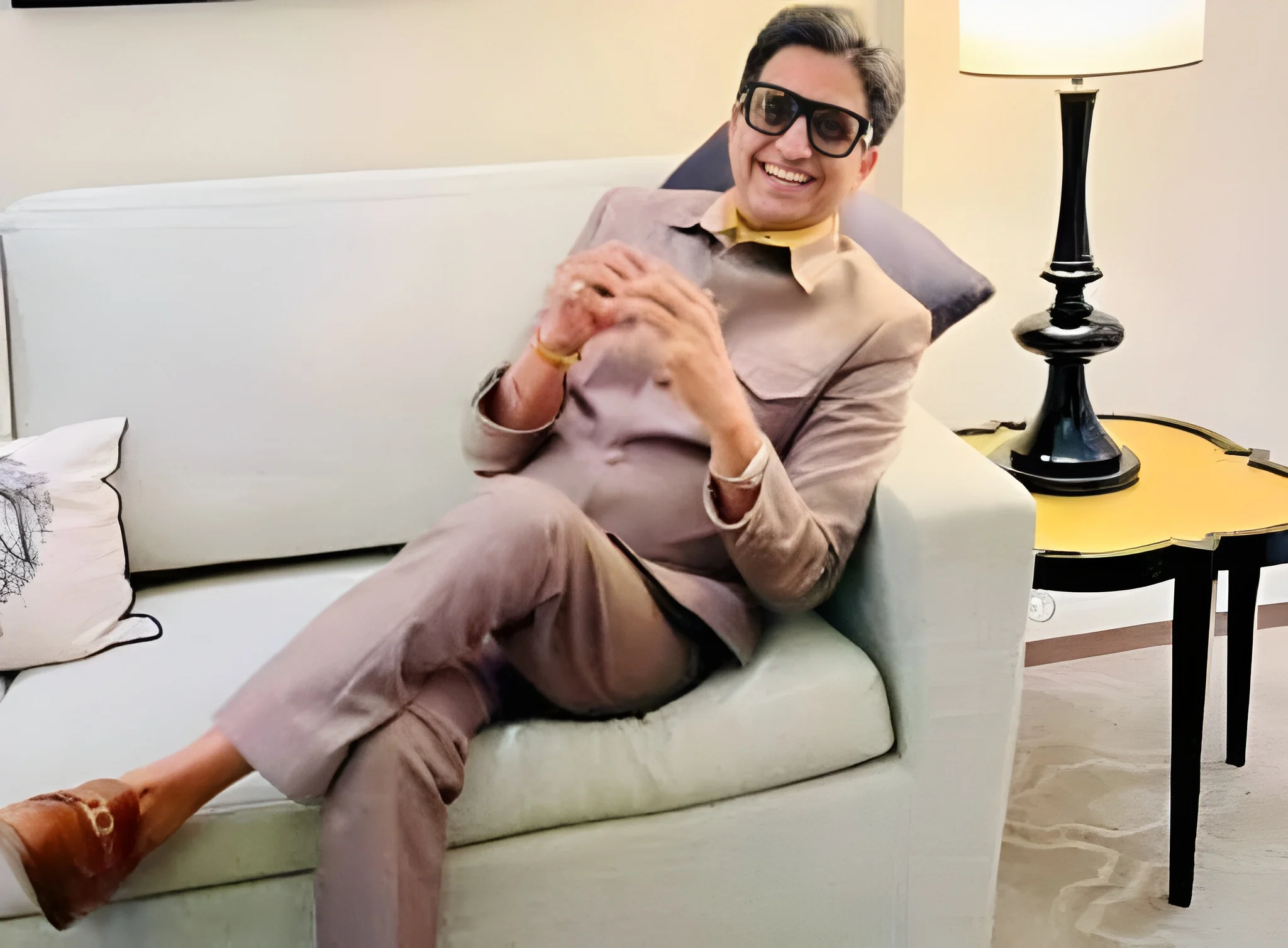
The interior features white-themed decor with marble flooring throughout, creating a sense of spaciousness and elegance. The house boasts large chandeliers that add grandeur to the living areas.
The living room serves as the heart of the home, designed for both family gatherings and hosting guests from the literary and entertainment world. The space features:
- Premium marble flooring that reflects light beautifully
- Elegant furniture with antique showpieces strategically placed
- Multiple seating areas for intimate conversations
- Large windows allowing natural light to flood the interiors
Spiritual Elements
True to his cultural roots, Kumar Vishwas has incorporated significant spiritual elements in his urban home:
The house features several large temples (mandirs) where the family performs daily prayers and rituals. These sacred spaces reflect the family’s deep connection to Hindu traditions and provide spiritual grounding amidst their busy urban lifestyle.
Interior Design Aesthetics
The interior design philosophy balances modern luxury with traditional values:
- Color Palette: Predominantly white and cream tones with gold accents
- Lighting: Large crystal chandeliers and recessed lighting create ambiance
- Decor Style: Mix of contemporary furniture and traditional Indian art
- Personal Touches: Family photographs and literary awards displayed thoughtfully
Kumar Vishwas House KV Kutir: The Eco-Friendly Village Retreat

The Story Behind KV Kutir
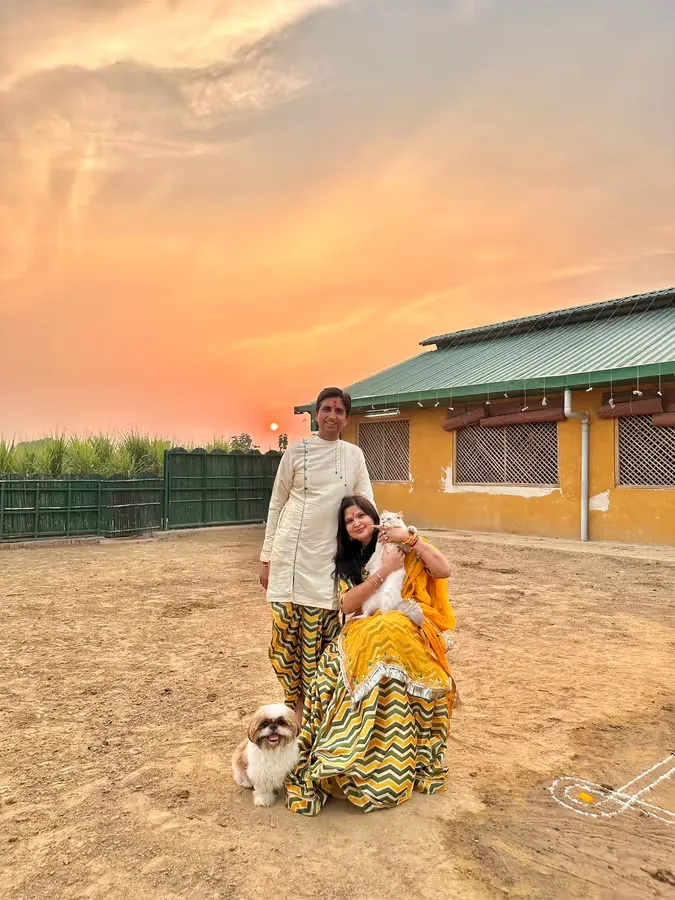
Perhaps the most fascinating of Kumar Vishwas’s properties is his ancestral village home, affectionately named “KV Kutir.” This property has garnered significant media attention and social media buzz for its unique construction method and sustainable living philosophy.
Location: Pilkhuwa, The Hometown
KV Kutir is located in Pilkhuwa, Kumar Vishwas’s native village near Delhi in Uttar Pradesh, where he was born and spent his childhood. Pilkhuwa holds deep emotional significance for the poet, representing his roots and the simple values his father, a college lecturer, instilled in him.
Revolutionary Construction: Vedic Plaster Technology
What makes KV Kutir truly extraordinary is its construction method. The house is built using ‘Vedic plaster’ made from yellow soil, sand, cow dung, various types of pulses, lime, and remains of juicy trees like amla, lisoda, fig, and sheesham.
Notably, Kumar Vishwas did not use traditional construction materials like cement, gravel (rodi), or bajri in building this house. This ancient Indian construction technique creates structures that are:
- Naturally temperature-controlled: The house remains cool even in extreme summer heat
- Antibacterial: The natural materials prevent bacterial growth
- Eco-friendly: Zero carbon footprint from modern construction materials
- Sustainable: All materials are biodegradable and locally sourced
Inspiration from Literature
Kumar Vishwas revealed that his inspiration came from a book by E.B. Havell on Indian architecture, which discussed these traditional building methods. After reading about Vedic construction techniques, he personally instructed masons on how to execute this ancient method.
KV Kutir Architecture & Design
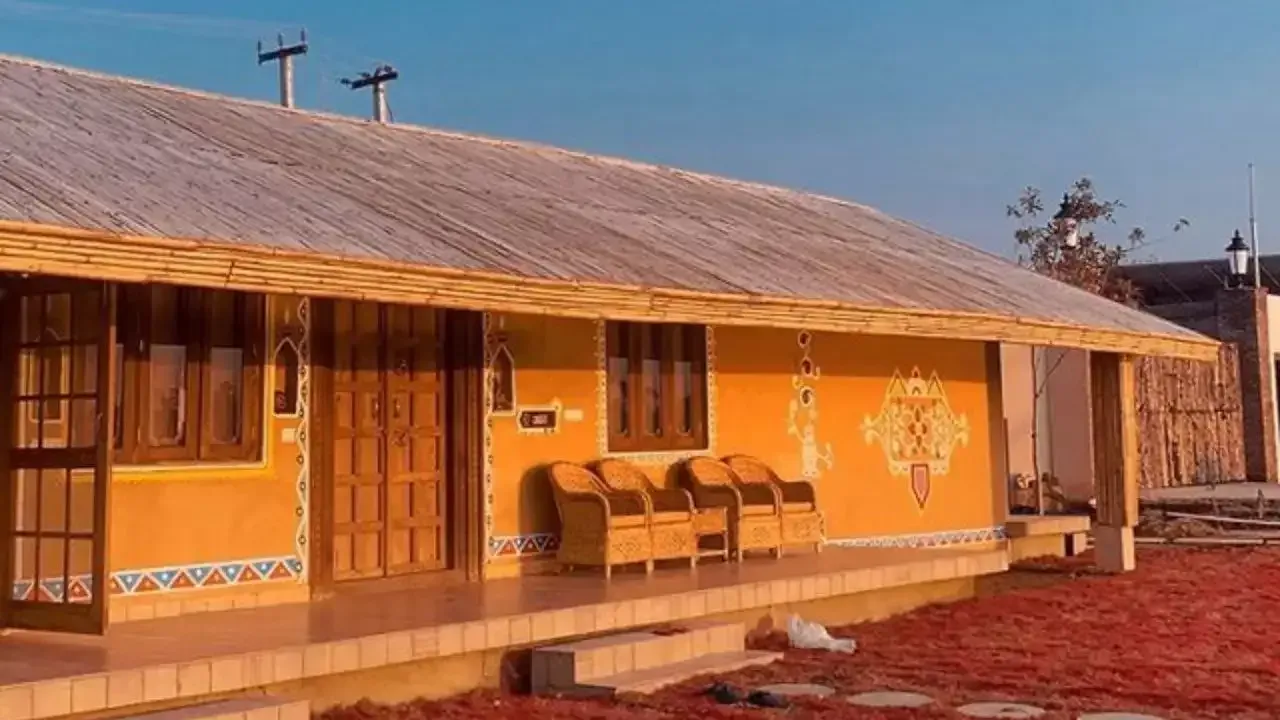

The design of KV Kutir reflects traditional Indian village architecture with modern functionality:
Traditional Village Aesthetics:
- Large wooden doors with traditional carvings
- Walls decorated with mandala art (maan
dala) traditional to village homes
- Natural earth-tone color palette
- Open courtyards allowing cross-ventilation
Structural Features:
- Spacious compound with agricultural land
- Traditional charpai (woven beds) for relaxation
- Verandas perfect for poetry sessions
- Natural lighting throughout
Kumar Vishwas House Name & Address Details
Official House Name: KV Kutir
The village property is officially named “KV Kutir,” where “KV” stands for Kumar Vishwas and “Kutir” means cottage or humble dwelling in Hindi. The name reflects both his identity and his philosophy of simple living.
The property even has its own Instagram presence (@kvkutirr) with over 16,000 followers, where updates about the house and its surroundings are regularly shared.
Kumar Vishwas House Address
Primary Residence (Ghaziabad): House Number 1084 Vasundhara Sector 3 Ghaziabad – 201010 Uttar Pradesh, India
Village Home (KV Kutir): Pilkhuwa Hapur District Uttar Pradesh, India
The Ghaziabad address serves as his official contact point for professional engagements and media interactions.
Special Features of KV Kutir That Make It Unique
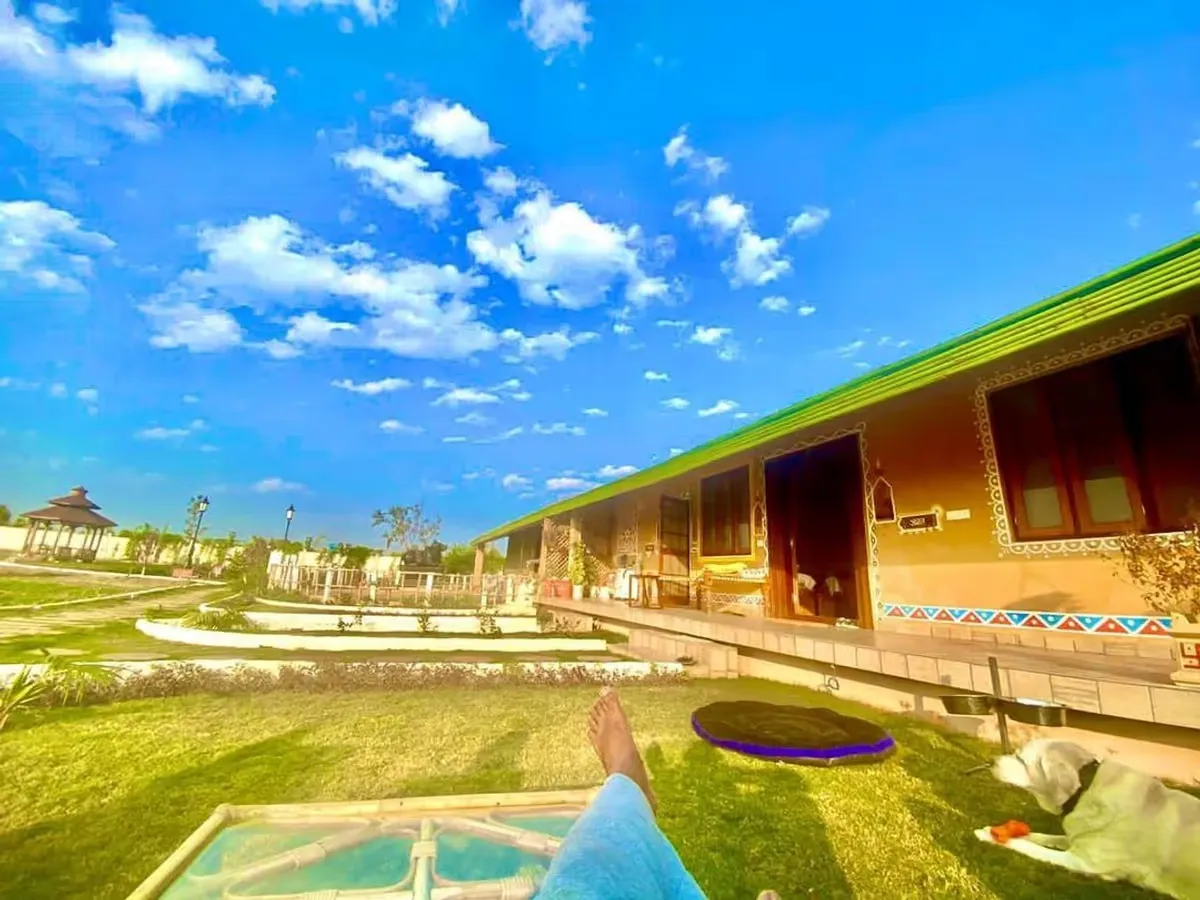

Organic Farming & Self-Sustainability
Kumar Vishwas grows various organic fruits and vegetables at KV Kutir, including sugarcane, bottle gourd (lauki), ridge gourd (tori), and other seasonal vegetables. He has also planted numerous medicinal plants on the property.
This commitment to organic farming reflects his philosophy of self-reliance and connection to nature. The property produces much of the food consumed by the family during their stays.
The Pond & Wildlife
In front of the house, there’s a pond where Kumar Vishwas has reared ducks. The water body serves multiple purposes:
- Creates a serene, meditative environment
- Attracts local birds and wildlife
- Supports the property’s ecosystem
- Provides water for irrigation
Library & Recording Studio
KV Kutir houses a large library and a recording studio, making it more than just a residence it’s Kumar Vishwas’s creative sanctuary. Here, he:
- Stores his extensive collection of Hindi, Urdu, and Sanskrit literature
- Records poetry sessions
- Writes new compositions
- Practices his recitations
Spiritual Installations
The property features a large statue of Goddess Saraswati, the Hindu deity of knowledge and arts, perfectly aligned with Kumar Vishwas’s literary profession. There’s also a statue of Lord Buddha near the pond, creating spaces for meditation and contemplation.
The Gau Shala (Cow Shelter)
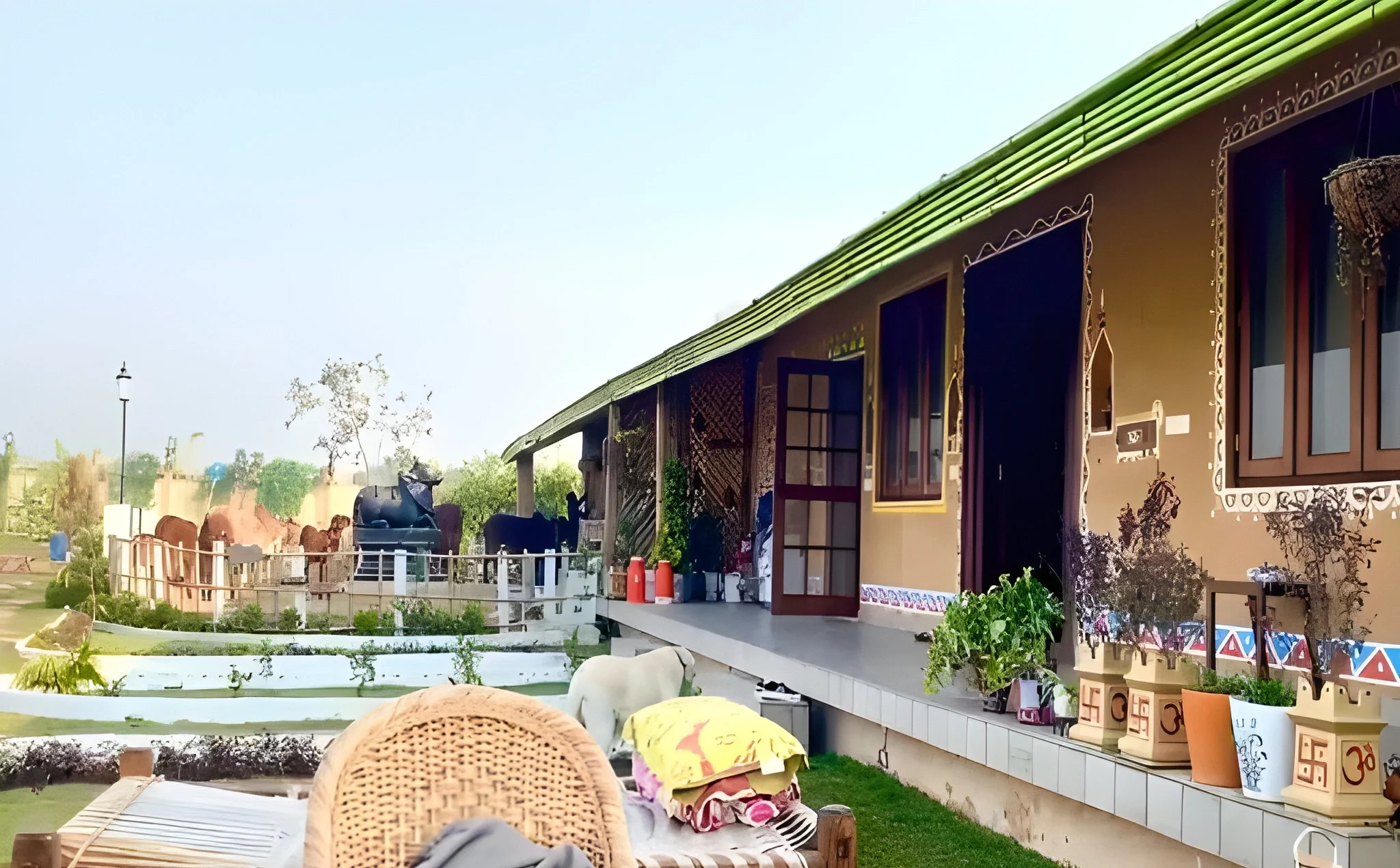

KV Kutir includes a traditional gau shala (cow shelter), reflecting the importance of cattle in Indian rural life and traditional agriculture. The cows provide:
- Organic manure for farming
- Milk for the family
- Connection to traditional Indian values
- Essential cow dung used in the Vedic plaster
The Philosophy Behind Two Homes
Kumar Vishwas’s dual residence strategy offers insights into his life philosophy:
The Urban Home (Ghaziabad):
- Represents his professional identity
- Facilitates his career in media and poetry
- Provides modern amenities for family
- Connects him to opportunities in the NCR
The Rural Retreat (KV Kutir):
- Keeps him grounded in his roots
- Offers escape from urban stress
- Enables sustainable living experiments
- Provides creative inspiration
This balance between tradition and modernity, village and city, perfectly captures the essence of contemporary India a theme often explored in his poetry.
Public Reaction & Media Coverage
Kumar Vishwas regularly shares photos and videos of both properties on his social media, particularly Instagram (@kumarvishwas), where he has millions of followers. The posts about KV Kutir consistently go viral, with fans expressing:
- Admiration for the eco-friendly construction
- Curiosity about Vedic plaster techniques
- Appreciation for maintaining village connections
- Interest in sustainable living practices
Social media users have described the new bungalow as “super posh” and praised its unique construction method.
Media outlets have featured KV Kutir in numerous articles and photo galleries, highlighting it as an example of how celebrities can promote sustainable architecture and traditional Indian building methods.
Other Properties
Beyond his two main residences, Kumar Vishwas owns two flats in Rishikesh valued at approximately Rs. 12 lakhs. Rishikesh, the spiritual capital of India situated in the Himalayan foothills, serves as a meditation and spiritual retreat destination for the poet.
Visit Also: Radhakishan Damani House
Kumar Vishwas’s Lifestyle & Values
Simple Living, High Thinking
Despite his celebrity status and financial success, Kumar Vishwas maintains a relatively modest lifestyle. His choice to build an eco-friendly village home rather than another luxury property demonstrates his commitment to environmental sustainability and cultural preservation.
Family Life
Kumar Vishwas lives with his wife Manju Sharma and their two daughters. The family divides time between their Ghaziabad residence and visits to KV Kutir, especially during poetry writing sessions or when Kumar Vishwas needs creative inspiration.
Photos shared on social media show the family enjoying quality time at KV Kutir, engaging in farming activities, feeding animals, and spending evenings in the open courtyards a stark contrast to typical celebrity lifestyles.
Career Success Supporting the Dream
Kumar Vishwas’s income primarily comes from his kavi sammelans (poetry recitations) held regularly across India and internationally in countries like Dubai, Singapore, USA, and Japan. He also earns from:
- Hosting “KV Sammelan” on Aaj Tak
- Writing lyrics for films
- Book sales (including bestsellers like “Koi Deewana Kehta Hai” and “Phir Meri Yaad”)
- Guest appearances on shows like Indian Idol and The Kapil Sharma Show
- Corporate events and motivational speaking
This diverse income stream has enabled him to invest in properties that align with his values rather than just status symbols.
Lessons from Kumar Vishwas’s Homes
Reconnect with Roots
Kumar Vishwas’s investment in his ancestral village property demonstrates the importance of maintaining connections to one’s origins, regardless of professional success.
Sustainable Living Is Possible
KV Kutir proves that traditional, eco-friendly construction methods can create comfortable, modern homes without harming the environment.
Balance Tradition and Modernity
His dual homes show how one can embrace contemporary amenities while preserving cultural heritage and traditional values.
Home as Creative Sanctuary
For creative professionals, designing spaces that inspire and facilitate their work like Kumar Vishwas’s library and recording studio is essential.
Conclusion
Kumar Vishwas’s homes are more than just real estate they’re reflections of a life philosophy that honors tradition while embracing progress. From the marble-floored elegance of his Ghaziabad residence to the earth-toned sustainability of KV Kutir in Pilkhuwa, these properties tell the story of a man who has achieved professional success without forgetting his roots.
The viral images of KV Kutir have inspired conversations about sustainable architecture, traditional building methods, and the possibility of living comfortably while minimizing environmental impact. Meanwhile, his urban home demonstrates that cultural values and spiritual practices can seamlessly integrate into modern living spaces.
? Frequently Asked Questions
Q: Where is Kumar Vishwas’s house located?
A: Kumar Vishwas owns two primary properties. His main urban residence is at House Number 1084, Vasundhara Sector 3, Ghaziabad, Uttar Pradesh. His village home, KV Kutir, is in his native Pilkhuwa, Hapur District, Uttar Pradesh.
Q: How much is Kumar Vishwas’s home worth?
A: According to 2014 election affidavits, his Ghaziabad flat was valued at Rs. 90 lakhs. He owns properties worth approximately Rs. 3.80 crores total, including flats in Rishikesh worth Rs. 12 lakhs. Current market values would be significantly higher.
Q: What is KV Kutir made of?
A: KV Kutir is built using traditional Vedic plaster, a mixture of yellow soil, sand, cow dung, various pulses, lime, and extracts from trees like amla, lisoda, fig, and sheesham. No cement, gravel, or modern construction materials were used.
Q: Can you visit Kumar Vishwas’s house?
A: Kumar Vishwas’s residences are private properties and not open for public tours. However, he regularly shares photos and videos on his social media accounts, particularly Instagram (@kumarvishwas), giving fans virtual access to his homes.
Q: Who designed Kumar Vishwas’s home interiors?
A: Specific interior designer information for the Ghaziabad home is not publicly available. For KV Kutir, Kumar Vishwas himself instructed the masons on the Vedic construction technique after reading about it in E.B. Havell’s book on Indian architecture.