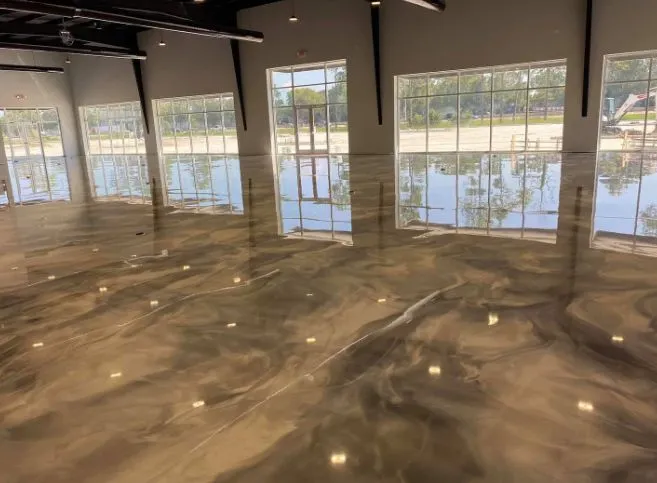
The appearance of a commercial property influences how customers perceive a business before they interact with its employees. Flooring contributes to this impression because it connects different areas of the interior and receives constant daily use. Scratched surfaces, visible stains, and outdated materials can make an otherwise maintained property appear neglected. Choosing commercial epoxy flooring allows business owners to explore decorative finishes while addressing practical concerns such as traffic, cleaning, and surface protection. The right flooring choice can support both operational needs and a professional interior appearance.
Flooring as Part of Business Identity
Commercial interior design involves more than furniture, signage, and wall colors. The floor occupies a large visible area and helps establish the atmosphere of the space. A modern showroom might benefit from a glossy decorative finish, while a restaurant may prefer a textured surface that complements its design while providing appropriate traction.
Businesses can also incorporate coordinated colors into selected flooring systems. This creates visual consistency without relying entirely on removable decorative materials. The most effective flooring design reflects the company’s activities and customer expectations rather than following a single decorative trend.
Different Spaces Require Different Performance
A retail store, commercial kitchen, and automotive showroom experience very different working conditions. Selecting the same flooring specification for each environment may lead to unnecessary maintenance concerns. Retail floors must accommodate frequent pedestrian traffic while maintaining an inviting appearance. Automotive facilities experience vehicle movement, tire contact, and exposure to oils or other automotive substances.
Commercial kitchens present additional requirements because moisture, food spills, frequent cleaning, and chemical exposure can affect surface performance. These differences explain why flooring materials should be evaluated according to the particular property and its daily operations.
Practical Benefits for Busy Businesses
Business owners often prioritize flooring systems that provide consistent performance without demanding excessive upkeep.
Important considerations include:
- Surface continuity: Seamless coatings reduce joints where dirt may accumulate.
- Wear resistance: Properly specified materials can withstand frequent pedestrian traffic.
- Decorative flexibility: Color and texture options support different interior styles.
- Cleaning efficiency: Smooth, compatible finishes can simplify routine maintenance.
- Improved traction: Suitable aggregates provide additional grip where conditions require it.
Performance depends on the complete coating system, installation quality, and environmental conditions. No flooring material eliminates the need for proper cleaning or workplace safety procedures.
Creating an Appropriate Flooring Specification
Selecting epoxy commercial flooring requires examining the existing concrete and identifying the performance characteristics needed for the space. Surface preparation is particularly important. Old coatings, grease, dust, and incompatible materials may interfere with adhesion if they remain on the concrete. Mechanical grinding can prepare the slab for coating application, while damaged areas may require repairs. Moisture testing may also be necessary before installation.
Depending on the intended application, a flooring system may incorporate epoxy coatings, decorative aggregates, or compatible polyaspartic finishes. A professional assessment helps determine which combination is suitable for the property rather than relying solely on appearance.
Coordinating Improvements Around Business Operations
Unlike residential renovations, commercial flooring projects must frequently accommodate employees, deliveries, and customers. Business owners should establish an installation schedule that considers operational requirements. Some facilities can temporarily close individual sections, while others may need to complete the project during planned downtime. Furniture, merchandise, and equipment must be protected or relocated before work begins.
Clear communication with employees helps prevent confusion about temporary restrictions. Curing requirements should be confirmed before reopening the area to regular traffic. Allowing sufficient time protects the installation and reduces avoidable damage during its early service life. Careful scheduling can make the renovation less disruptive without compromising installation quality.
Supporting Consistent Interior Presentation
A professionally finished floor can contribute to a welcoming environment, particularly in customer-facing businesses. Decorative flake systems can introduce texture and visual interest, while metallic finishes provide a distinctive appearance suitable for certain showrooms or hospitality interiors. However, a highly reflective surface is not appropriate for every setting.
Lighting conditions, cleaning procedures, and traction requirements should influence the selected finish. Businesses should also consider how flooring colors interact with shelving, fixtures, and merchandise. Choosing an appropriate design helps create a consistent appearance without distracting from the products or services being offered.
Developing a Practical Maintenance Routine
Commercial flooring experiences continuous wear, making regular cleaning and inspection important for preserving its performance. Routine sweeping removes grit that could gradually abrade the finish. Appropriate cleaning products should be selected according to manufacturer recommendations and the substances encountered in the facility.
Spills require prompt attention, especially in customer areas where slipping hazards may develop. Managers should periodically inspect high-traffic locations, entrances, and equipment pathways for damage. Addressing minor issues early may reduce larger maintenance expenses. A documented cleaning schedule encourages consistent practices among employees and maintenance personnel.
Conclusion
Commercial flooring plays an important role in property appearance, operational efficiency, and ongoing maintenance. Selecting an appropriate coating system requires understanding traffic conditions, surface preparation, decorative preferences, and cleaning expectations. Businesses that consider these factors together can create interiors that remain practical while supporting a professional presentation. Property owners exploring decorative and durable flooring solutions across South Carolina and western North Carolina can review commercial coating services through carolinaflooringspecialists.com before planning their next property improvement.