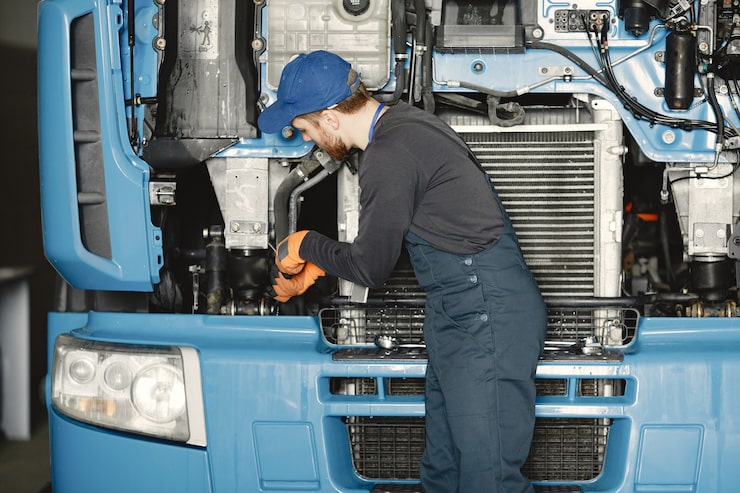
The Stock Tune Ceiling
Factory tuning exists in a box. The EPA sets emissions limits. Manufacturers face warranty claims. Lawyers worry about liability. So what gets shipped from the factory is deliberately held back.
A new diesel truck leaves the plant running about 80% of what the engine can actually handle. The governor sits there doing nothing while your motor has another 100+ horsepower just sitting unused. That’s not engineering limitation. That’s corporate risk management.
Emissions regulations are real constraints, not excuses. A tune that passes EPA testing in one configuration might not in another. Manufacturers can’t know how you’ll drive, what you’ll tow, or where you’ll operate the truck. So they build conservatively across the board.
Warranty protection matters to dealers. If your engine explodes, Ford or Chevy pays for it. That’s expensive. The factory tune keeps things within safe operating windows for average driving conditions. Average being the key word here.
Why Tuning Matters for Diesel Owners
You buy a diesel truck because you need capability. Towing something substantial. Hauling loads. Operating in conditions where a gas engine quits. Stock power delivers the basics. It gets the job done on paper.
But real-world driving tells a different story. Throttle response improves noticeably. Your truck doesn’t lag when you ask it to move. Shifting happens faster. The transmission doesn’t hunt between gears on the highway. Fuel economy climbs because the engine combusts fuel more efficiently, not because you’re coasting more.
Towing reveals why tuning matters most. A 35,000-pound trailer behind your truck feels different with proper power delivery. The engine doesn’t strain as hard. Transmission stays in the right gear. You’re not white-knuckling it up an incline while other trucks pass.
Cold weather performance improves. Hot weather stability gets better. Longevity increases when combustion processes work optimally instead of fighting factory-imposed limitations. These aren’t marketing claims. They’re mechanical results.
What Separates Quality Tuning from Mediocre Options
Some tuning platforms are basically calculators. They adjust a few numbers and call it done. Others actually manage the engine.
Data logging matters because you see what’s happening. Real-time adjustments mean the tune responds to conditions, not just applying static numbers. Manufacturer support means someone built this thing with engineering, not just trial and error.
A quality platform gives you feedback. You can see boost pressure, fuel rail pressure, timing advance, and actual performance numbers. Mediocre options hide this. They give you horsepower numbers and nothing else.
Longevity tracking is something most people never think about. A good tuning platform monitors engine stress. It pulls back when conditions demand it. Bad tuning just maxes everything and hopes nothing breaks.
The X4 Tuner Advantage
The SCT x4 tuner handles multiple engine parameters at once. Not just fuel injection. Not just timing. All of it working together. Boost pressure, rail pressure, injection timing, EGR flow, fuel temperature compensation. The whole system talks to itself.
User interface isn’t buried in technical menus. You can actually understand what’s happening. The screen shows real data, not just confirmations that something loaded.
Diesel community trusts this platform because it’s been through the ringer. Thousands of trucks running thousands of miles. Real-world results from real owners, not just dyno numbers.
It works across multiple truck generations and manufacturers. That matters if you change vehicles. Your investment in tuning doesn’t disappear when you trade trucks.
Custom Tuning vs. Off-the-Shelf Options
Off-the-shelf tunes are pre-loaded packages. They work for stock trucks. They’re cheaper. They’re instant. You load them and go.
Custom tuning takes your specific truck into account. What modifications do you have. What are you actually doing with it. Are you towing constantly or just weekends. Custom tunes optimize for your situation, not the average situation.
Sometimes stock is the right call. New truck, no mods, just want more power. Pre-loaded tune does the job well. Other times custom makes sense. You’ve upgraded the turbo. Changed the fuel system. Built the engine. Then you need someone looking at your specific combination.
Tuning platforms that enable both approaches let you start simple and progress. You don’t have to choose one path and stick with it forever.
Common Misconceptions About Diesel Performance Tuning
Warranty gets voided uniformly. False. Some manufacturers void it if they can prove the tune caused damage. Most don’t care if nothing breaks. And most tuning is undetectable anyway once you’re into normal driving.
Tuning destroys engines. Complete myth. Responsible tuning controls combustion better. Heat management improves. Cylinder pressure stays within spec. Engines actually last longer because they’re not fighting factory limitations that create inefficient burning.
One tune fits every truck. No. Every truck is different. Every driver operates differently. A proper tune accounts for this.
Tuning costs more than it saves. Depends on your use case. If you tow heavy, the fuel economy gains alone pay for tuning in a year or two. If you’re just cruising around town, it takes longer. But the improved driving experience is worth something too.
Real-World Performance Expectations
Horsepower numbers vary. A stock truck might see 50-80 additional horsepower. That’s real but not earth-shattering. Torque comes up more, sometimes 100+ pounds. That’s where you feel the difference.
Fuel economy improves between 2-4 MPG depending on driving style. Highway driving sees bigger gains than city. Towing efficiency climbs more noticeably than solo driving because the engine works harder and tuning optimizes that workload.
Longevity claims are real but require context. An engine tuned properly lasts longer than a stock engine driven the same way. But an engine tuned recklessly dies sooner. The tuning itself isn’t magic. It’s about smart power management.
Don’t expect your truck to become a race car. Expect it to do what you bought it for better and more efficiently. That’s the honest assessment.
Tuning Compatibility Across Truck Models
Modern tuning platforms work across generations because engine management changed. 2007 forward diesels all share similar architecture. Tuning that works on a 2015 works on a 2023 with adjustments because the underlying systems are the same.
Manufacturers vary. Ford, Chevy, Ram, Toyota. Platform compatibility matters because you’re not locked into one brand. You can tune any compatible truck with the same system.
That matters long-term. You change trucks but keep the same tuning capability. You upgrade the tuning without buying new hardware. The investment follows you.
Some newer trucks require updated software for compatibility. That’s normal. A quality platform stays current instead of abandoning you.
What Happens After the Tune Is Installed
Loading the tune is 20 minutes of work. The actual ownership starts after.
Maintenance changes slightly. Your truck works harder now, so fuel and air filters might need attention sooner. Oil changes might be more frequent depending on the tune and driving style. Nothing drastic. Just awareness that you’re pushing more power through the system.
Monitoring means checking readings periodically. Fuel rail pressure. Boost levels. Engine temperatures. Most tuning platforms let you pull this data. You’re not guessing about health. You see it.
Adjustments happen sometimes. Seasonal changes might need tuning tweaks. If you add modifications later, the tune might need updating. Some platforms handle this automatically. Others require manual work. Either way, it’s an ongoing relationship, not a one-time event.
The Investment Perspective
A tuning system costs money. Good ones aren’t cheap. Entry-level options run $500-800. Better platforms cost more. That’s the upfront number.
Compare it to horsepower. A tuned diesel makes 50-80 more horses. Comparable bolt-on parts cost 2-3 times the tuning price. Tuning delivers similar gains for less money.
Fuel savings matter over time. If you drive 15,000 miles a year and see 3 MPG improvement, that’s roughly 30 gallons annually at current prices. That’s not going to make you rich. But it’s $100+ per year. Over 5 years of ownership, that covers the tune.
Increased capability is worth something. Your truck pulls harder. It brakes better because weight management improves. It handles stress better because combustion is optimized. That capability is hard to price but easy to feel.
Moving Forward With Confidence
Don’t tune a truck if you haven’t thought about why. Know what you’re using it for. Know what improvements matter to you. Make the decision consciously.
Research actual tuning platforms before buying. Read real-world results. Talk to people running the equipment. Avoid fly-by-night tuners selling miracles.
Established platforms have history. They’ve been tested. They’ve failed and gotten better or disappeared. Stick with companies that have track records.
Find a reputable installer or tuner. Hardware is important but installation and tuning support matter more. Bad installation ruins good equipment. Bad tuning wastes good hardware.
Start conservative if you’re nervous. Load a mild tune. See how your truck responds. Adjust from there if needed. You don’t have to maximize everything on day one.
Your diesel truck came underperforming on purpose. That’s not bad engineering. That’s deliberate conservative strategy. Tuning corrects that without changing the fundamental truck. Do it right and you’ll wonder why factory didn’t just ship them this way.