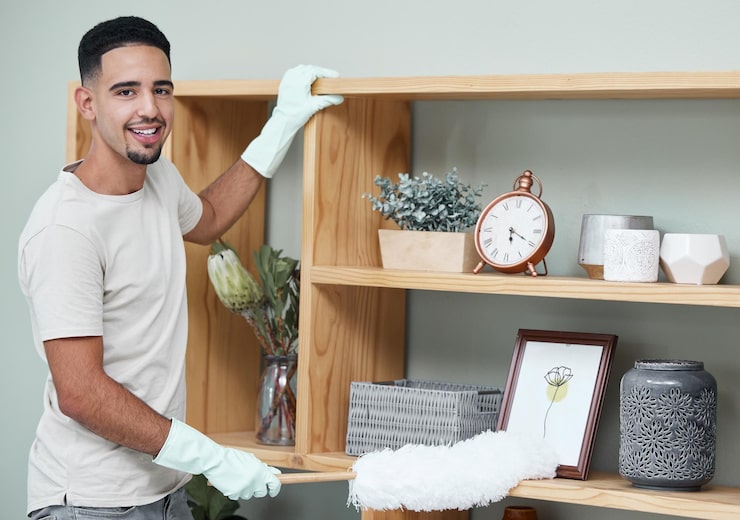
Let us be honest for a moment. How many weekends have you spent scrubbing, dusting, and vacuuming, only to feel like you barely made a dent? You pour hours into cleaning, yet by midweek, the mess is back, and you are already dreading the next marathon session. Sound familiar?
Here is the truth: cleaning does not have to be an exhausting, all-day affair. The secret is not working harder—it is working smarter. With the right strategies, tools, and mindset, you can achieve a sparkling home in half the time, leaving you with more hours for the people and activities you actually enjoy. Welcome to the ultimate guide to efficient home cleaning.
The Mindset Shift – Why Efficiency Matters More Than Effort
Before we dive into techniques and checklists, it is important to understand the philosophy behind cleaning smarter. Most people approach cleaning as a chore to be endured. They put on music, roll up their sleeves, and power through until exhaustion sets in. This approach leads to burnout, inconsistent results, and a lingering resentment toward housework.
Cleaning smarter means shifting your perspective. Instead of viewing cleaning as a massive task to conquer once a week, think of it as a series of small, manageable habits that prevent mess from accumulating in the first place. Efficiency is about maximizing results while minimizing time and energy spent. It is about working with your home, not against it.
When you clean smarter, you stop chasing messes and start staying ahead of them. The result? A consistently clean home that never requires a full-day rescue mission.
The Golden Rule – Declutter Before You Clean
One of the biggest mistakes people make is trying to clean around clutter. You cannot effectively dust, vacuum, or sanitize surfaces that are buried under piles of mail, laundry, toys, or random items. Clutter slows you down, makes cleaning less effective, and creates visual chaos that makes even a freshly cleaned room feel messy.
The golden rule of efficient cleaning is simple: declutter first. Before you pick up a spray bottle or a vacuum, take five to ten minutes to walk through the space and put things where they belong. Return misplaced items to their homes, toss trash, and gather dirty dishes. This single step reduces cleaning time by as much as 30 percent because you are no longer working around obstacles.
Decluttering also has a psychological benefit. A space that is free of clutter already feels cleaner, which gives you momentum and motivation to tackle the actual cleaning tasks.
Work from Top to Bottom, Left to Right
If there is one rule that professional cleaners swear by, it is this: always clean from top to bottom and left to right. This simple directional approach prevents you from wasting time or undoing your own work.
When you clean from top to bottom, you start with high surfaces like ceiling fans, light fixtures, and top shelves. Dust and debris fall downward, and you finish by vacuuming or mopping the floors last. If you started with the floors, you would simply track dust onto them again as you worked on higher surfaces.
Cleaning from left to right (or right to left, depending on your preference) ensures you cover every area systematically without missing spots or backtracking. Choose a starting point in each room and work your way across. This methodical approach eliminates the chaos of jumping from one task to another and ensures no corner is overlooked.
Gather Your Tools Before You Start
Nothing kills cleaning momentum faster than realizing you forgot the glass cleaner on the other side of the house. Every time you stop to retrieve a supply, you lose focus, waste time, and interrupt your flow.
Clean smarter by gathering all your supplies before you begin. Use a portable caddy or bucket to carry your essential tools from room to room. Your caddy should include:
-
All-purpose cleaner
-
Glass cleaner
-
Microfiber cloths (at least three or four)
-
Scrub brush or sponge
-
Vacuum or broom
-
Mop for hard floors
Having everything at your fingertips allows you to move seamlessly from one task to the next without unnecessary interruptions. It also helps you maintain momentum, which is key to finishing quickly.
The Power of Microfiber – Your Secret Weapon
If you have not yet switched to microfiber cloths, you are working harder than you need to. Microfiber is a game-changer for efficient cleaning. Unlike cotton rags or paper towels, which push dirt around, microfiber traps dust, dirt, and bacteria in its fibers. It cleans effectively with less product and less elbow grease.
Microfiber cloths can be used dry for dusting—they attract and hold dust rather than scattering it into the air. When dampened, they tackle grease, grime, and streaks with ease. Keep a stack of color-coded microfiber cloths to avoid cross-contamination: use one color for bathrooms, another for kitchens, and a third for general dusting.
Focus on High-Traffic and High-Touch Areas
One of the smartest ways to clean efficiently is to prioritize. Not every surface in your home requires daily attention. By focusing your energy on high-traffic and high-touch areas, you create a clean feeling throughout your home without spending hours on seldom-used spaces.
High-traffic areas include entryways, kitchens, living rooms, and bathrooms—the spaces you and your family use most. High-touch surfaces include doorknobs, light switches, remote controls, countertops, and faucet handles. These areas accumulate dirt, germs, and grime the fastest and have the greatest impact on how clean your home feels.
By concentrating your efforts where they matter most, you can maintain a fresh, inviting home with significantly less time and energy. Reserve deep cleaning for less frequent intervals and focus on maintaining the spaces that truly matter day to day.
The Two-Minute Rule – Small Habits, Big Results
Efficiency is not just about how you clean during dedicated sessions—it is about what you do in between. The two-minute rule is simple: if a cleaning task takes less than two minutes, do it immediately.
Wipe the bathroom sink after brushing your teeth. Spray the shower while you are still in it. Wipe kitchen counters while your coffee brews. These tiny actions take almost no time but prevent mess from accumulating. Over the course of a week, the two-minute rule can save you hours of dedicated cleaning time because you are addressing messes as they happen rather than letting them pile up.
Set a Timer and Embrace the Power of Short Bursts
The thought of home cleaning for hours can be paralyzing. Instead of committing to a marathon session, try cleaning in short, focused bursts. Set a timer for fifteen or twenty minutes and clean as efficiently as you can until the timer goes off. You will be amazed at how much you can accomplish in a short period when you are focused and uninterrupted.
This approach works particularly well for daily maintenance. A fifteen-minute tidy in the evening can reset your entire home, allowing you to wake up to a clean space without dedicating your entire weekend to housework.
When to Call in the Professionals
Even with the smartest strategies, there are times when life gets too busy to keep up. There is no shame in calling in reinforcements. Professional cleaners bring expertise, efficiency, and equipment that can transform your home in a fraction of the time it would take you.
Many busy families use a hybrid approach: they handle daily maintenance and light cleaning themselves while hiring professionals for deep cleaning, seasonal refreshes, or particularly hectic seasons. This approach allows you to enjoy the benefits of a clean home without sacrificing your limited free time.
Conclusion
Cleaning smarter, not harder, is about more than just saving time—it is about reclaiming your peace of mind. When you approach housework with strategy rather than sheer effort, you stop dreading the process and start enjoying the results. A clean home becomes something you maintain effortlessly rather than something you chase desperately.
Start by shifting your mindset. Declutter before you clean. Work from top to bottom. Keep your tools organized. Focus on the areas that matter most. Embrace small daily habits that prevent mess from accumulating. And remember, efficiency is not about perfection—it is about creating a system that works for your life, your schedule, and your energy levels.
Your home should be a place of rest, not a source of stress. By implementing these smart cleaning strategies, you can spend less time scrubbing and more time living. The clean, peaceful home you deserve is well within reach—one smart habit at a time.
