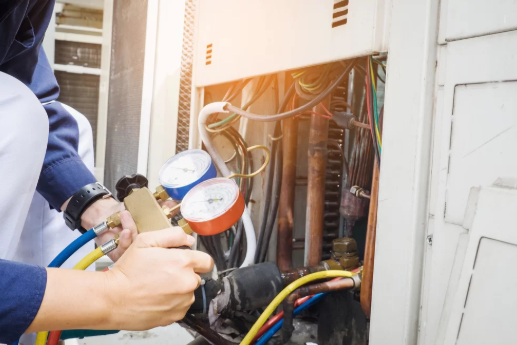
When a furnace stops working unexpectedly, it can quickly turn into an emergency, especially during cold weather. Knowing what qualifies as an emergency and how to respond can prevent further damage and keep a home safe and warm. Emergency furnace repair is essential when a system fails to produce heat, emits strange noises or smells, or shows signs of malfunction, and prompt action can restore comfort and prevent costly damage.
Many services offer 24/7 emergency furnace repair to provide fast and reliable help whenever needed. Immediate steps like turning off the system if there are unusual signs, contacting a specialized technician, and understanding potential costs ensure homeowners are prepared for urgent situations.
Understanding the critical signs and having a plan can save time, stress, and money when dealing with furnace failures. This guide will cover what to check, how to act, and what to expect when facing an emergency furnace repair.
What To Do When Your Furnace Breaks Down
When a furnace stops working, quick and methodical action can prevent hazards and limit discomfort. Addressing safety, recognizing failure signs, and protecting the system from further harm are vital steps until professional repair arrives.
Immediate Safety Steps
First, ensure safety by turning off your furnace at the main power switch or circuit breaker to avoid electrical hazards. If you detect the smell of gas, evacuate immediately and call emergency services. Avoid using open flames or operating electrical switches to prevent ignition.
Next, check for proper ventilation around the furnace to prevent carbon monoxide buildup. If a carbon monoxide detector sounds, leave the home and call emergency services. Do not attempt to restart the furnace until the cause is identified.
Wear protective gloves if inspecting components and avoid touching exposed wiring. Keep children and pets away from the heating system while troubleshooting or waiting for help.
Identifying Signs of Furnace Failure
Common indicators include no heat output, unusual noises such as banging or rattling, and inconsistent heating throughout the house. A furnace that cycles rapidly or blows cold air may have a clogged filter or thermostat issues.
Visual inspection is useful. Check if the pilot light is out or the burner is dirty. A clogged air filter often causes the furnace to overheat and shut down. Thermostat malfunction can be ruled out by confirming it is set to heat mode and at a higher temperature than the room.
Monitor for error codes or blinking indicator lights if the system has a digital display. These signals help pinpoint specific issues for professional diagnostics.
Preventing Further Damage
Avoid repeatedly restarting the furnace, as this stresses components and can worsen damage. Replace or clean the air filter immediately if it is clogged to restore airflow.
Remove any obstructions near vents and ensure registers are open. Reset the furnace following manufacturer instructions only once safety checks are complete and no gas leaks are present.
Shut off fuel supply valves if you suspect leaks or mechanical failure. Document the symptoms and steps taken for the HVAC professional who will perform repairs. Promptly calling a licensed technician prevents minor problems from escalating.
How Emergency Furnace Repair Works
Emergency furnace repair involves identifying the root cause quickly, assessing the extent of the problem, and implementing solutions that restore heat safely and efficiently. Timely action, understanding common issues, and choosing skilled technicians are essential to minimize downtime during cold weather.
Common Causes Of Sudden Furnace Issues
Furnace failures often stem from issues like malfunctioning thermostats, clogged filters, or ignition system failures. Dirty or blocked air filters restrict airflow, causing the system to overheat and shut down. Thermostats can stop communicating with the furnace, leading to inconsistent or no heating.
Other causes include problems with the pilot light or electronic ignition, faulty wiring, and blower motor malfunctions. Additionally, safety switches may trigger shutdowns if they detect unsafe operating conditions. Regular maintenance can prevent many of these problems, but sudden failures typically occur due to wear and tear or lack of upkeep.
The Emergency Repair Process
Emergency repair begins with a quick safety check to rule out hazards like gas leaks. Next, the technician diagnoses the furnace using tools to test electrical components, airflow, and ignition systems. Once the issue is pinpointed, repairs are prioritized to restore heat immediately.
Common emergency fixes include replacing filters, repairing or replacing igniters, fixing thermostat connections, or resetting safety switches. If parts need ordering, temporary solutions may keep the furnace running. The goal is to ensure safe, reliable operation without unnecessary delay.
Choosing A Qualified HVAC Technician
Selecting a skilled and licensed HVAC technician is critical during emergencies. Credentials like HVAC certification and state licensing indicate technical competence. Experience with furnace repairs and emergency service availability are also key factors.
Customers should verify technician reviews, ask for cost estimates upfront, and confirm warranties on repairs. A reputable technician will explain the problem clearly and recommend solutions without unnecessary upselling. Prompt communication and professionalism help ensure a smooth repair process and lasting results.